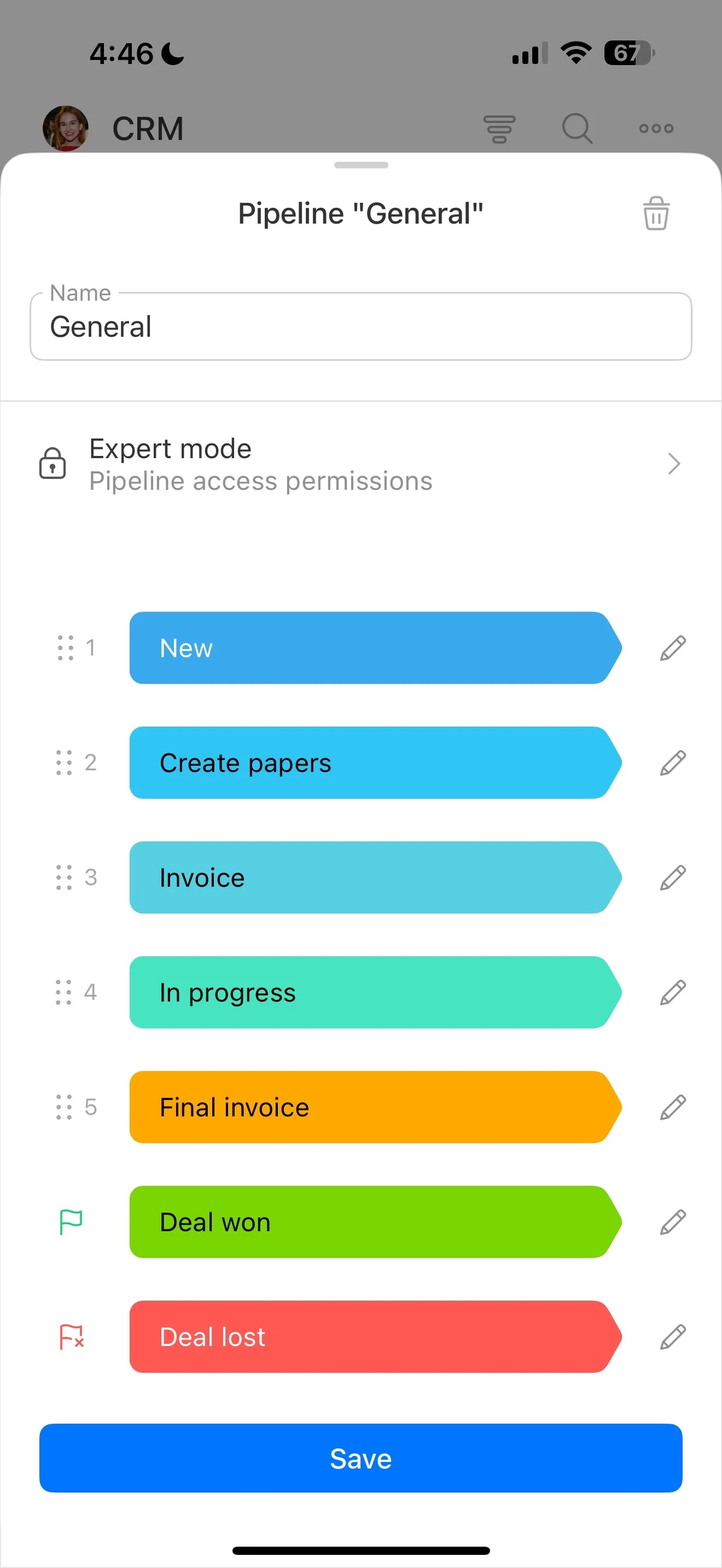
Tasks and follow-ups linked to the opportunity
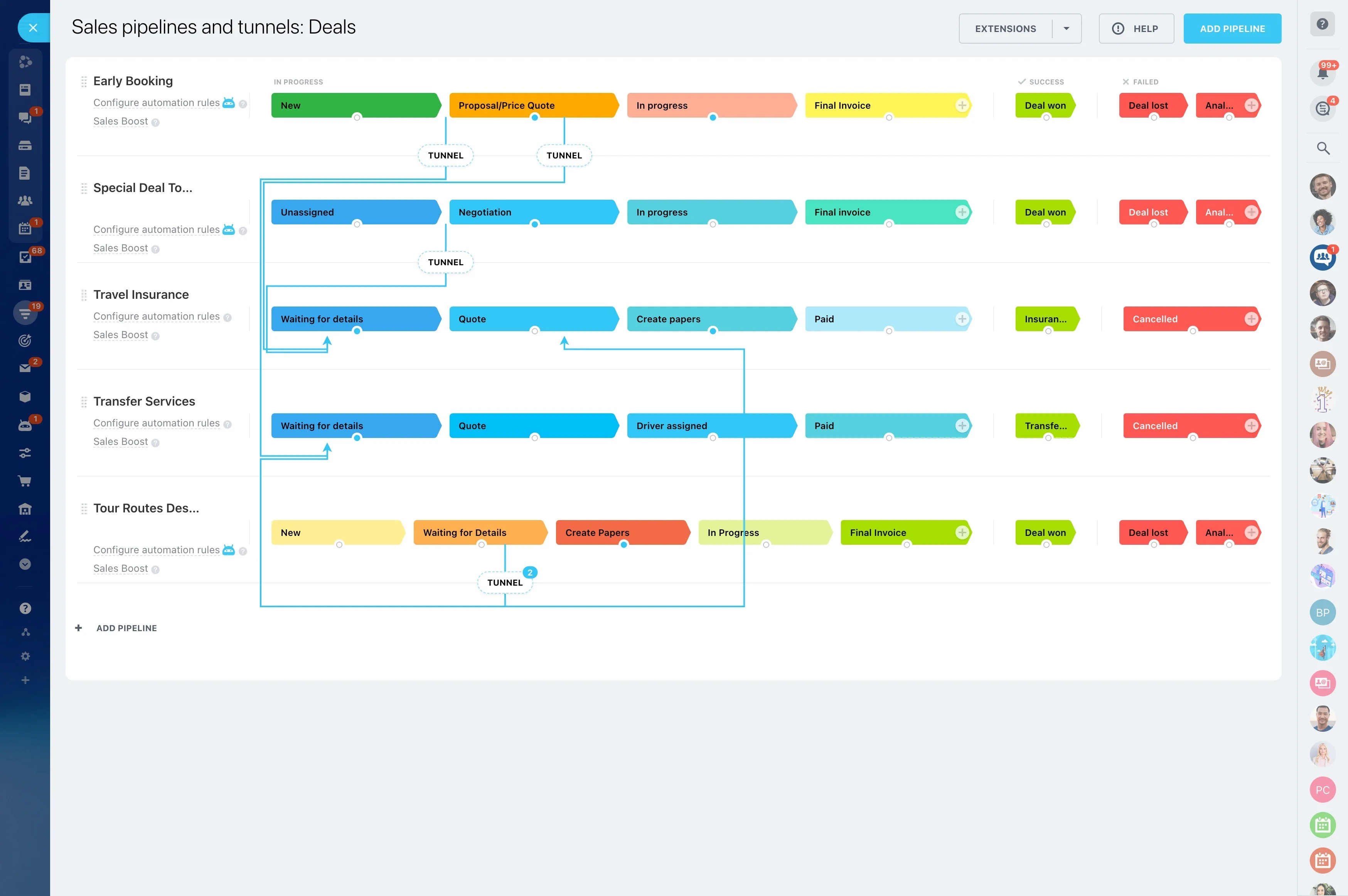
Team selling breaks down when deals live in personal systems, ownership is fuzzy, and handoffs happen in side conversations. A CRM for teams should make it clear who owns the next step, what’s happened so far, and what must be completed before an opportunity moves forward.
Bitrix24 CRM is built to coordinate shared pipelines across a sales team. You can standardize stages, keep key details captured on the lead/contact/company/deal record, assign responsibility as roles change, and track follow-ups and handoffs in the same place—so any rep can pick up the thread without guessing.
- Shared pipelines with consistent stage definitions
- Explicit ownership for each lead and deal
- Tasks and follow-ups linked to the opportunity
- In-record collaboration and manager visibility
Support adoption with shared rules and change control
CRM software for teams scales when consistency is easy to maintain and changes don’t create parallel processes. Start with a standard pipeline and shared field definitions, then refine with role-based workflows so reporting and handoffs stay dependable as you add reps and teams.
Keep the CRM as the source of truth for status and next actions, and bake updates into the team’s daily cadence.
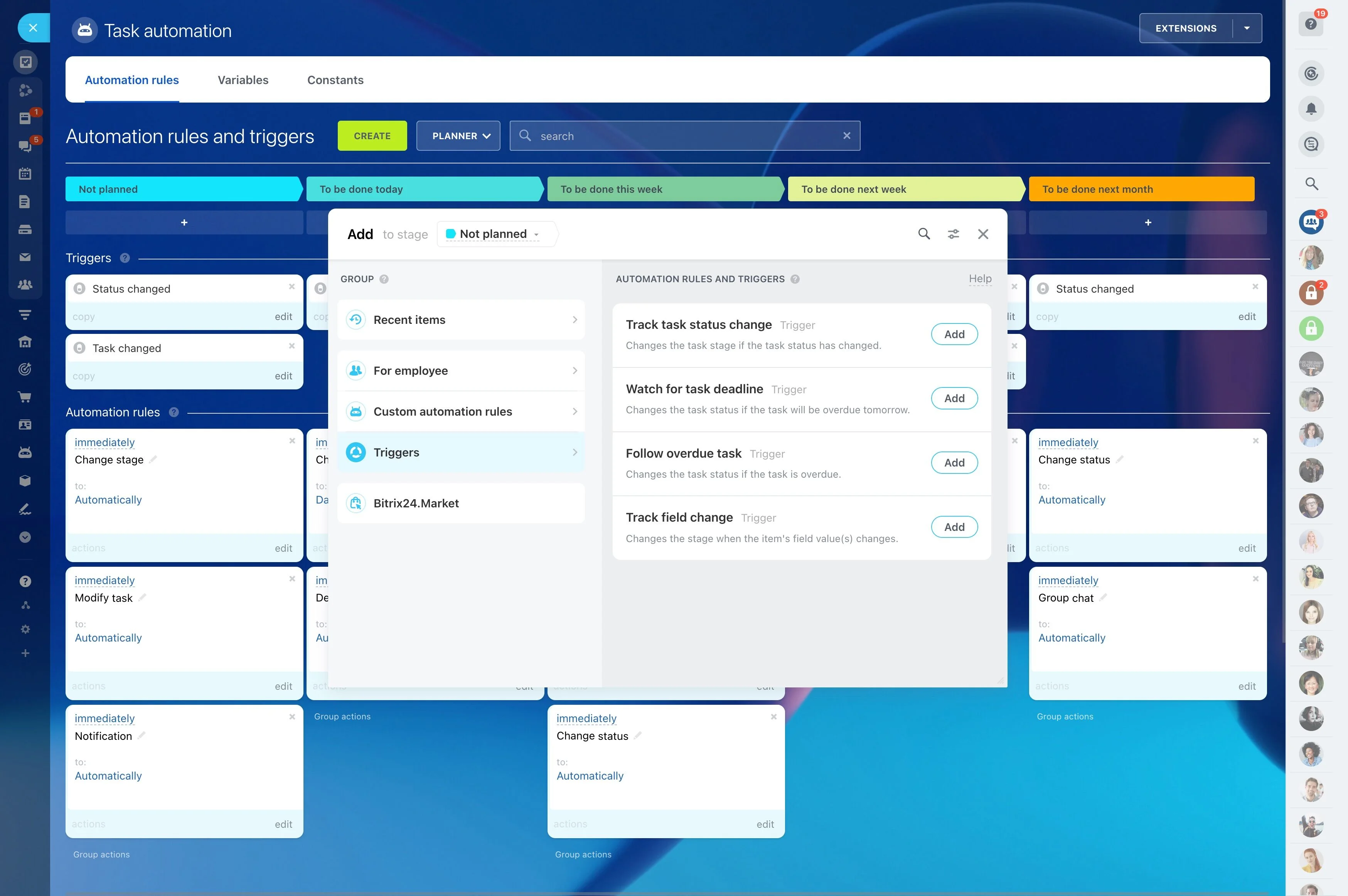
Keep collaboration in context of the deal
Handoffs improve when context stays attached to the customer. Capture notes, discussions, and updates on the lead/deal and related contact or company record, so teammates can understand the history without chasing side threads.
This supports a consistent customer experience across discovery, pricing, procurement, and onboarding.
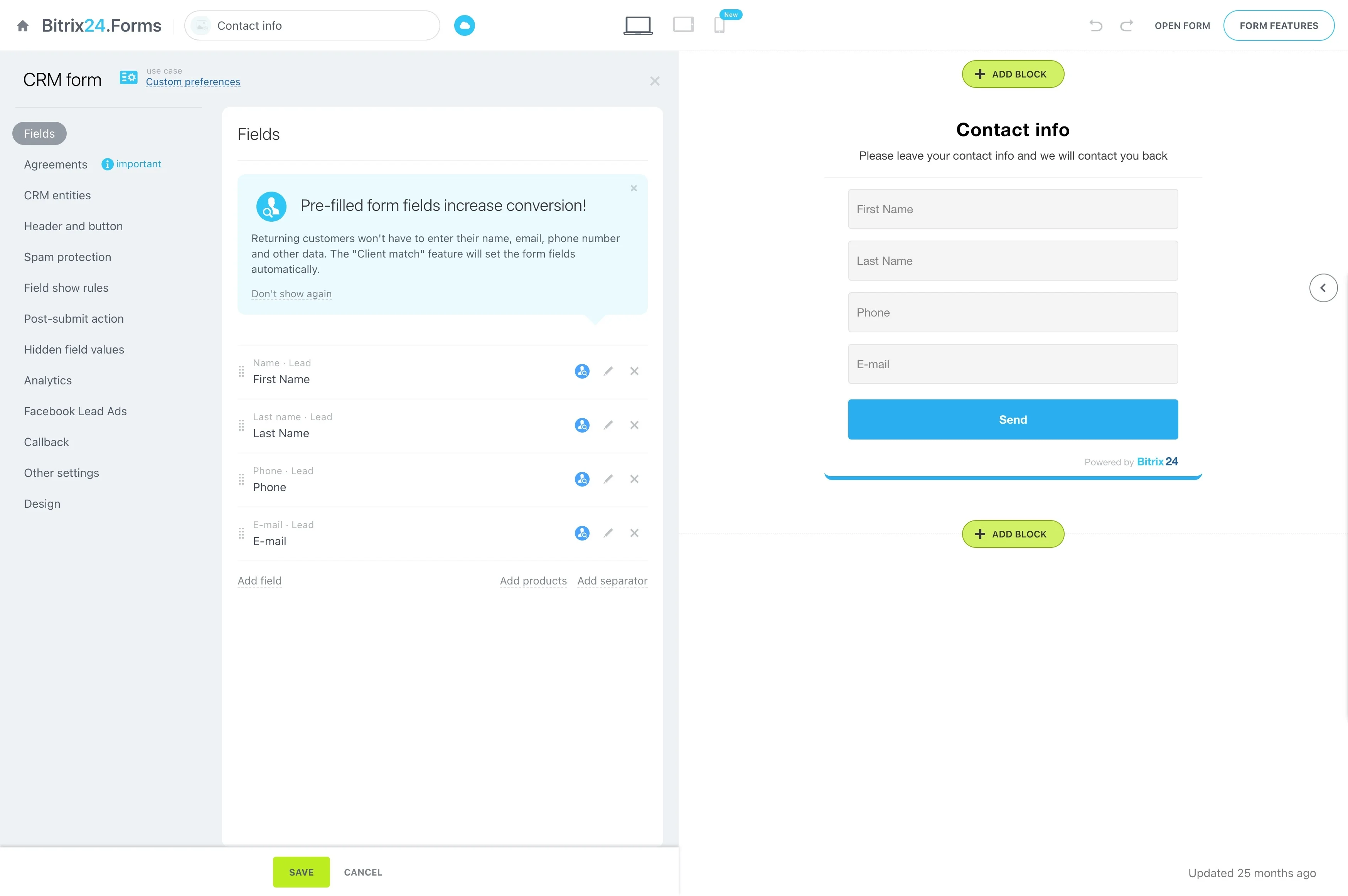
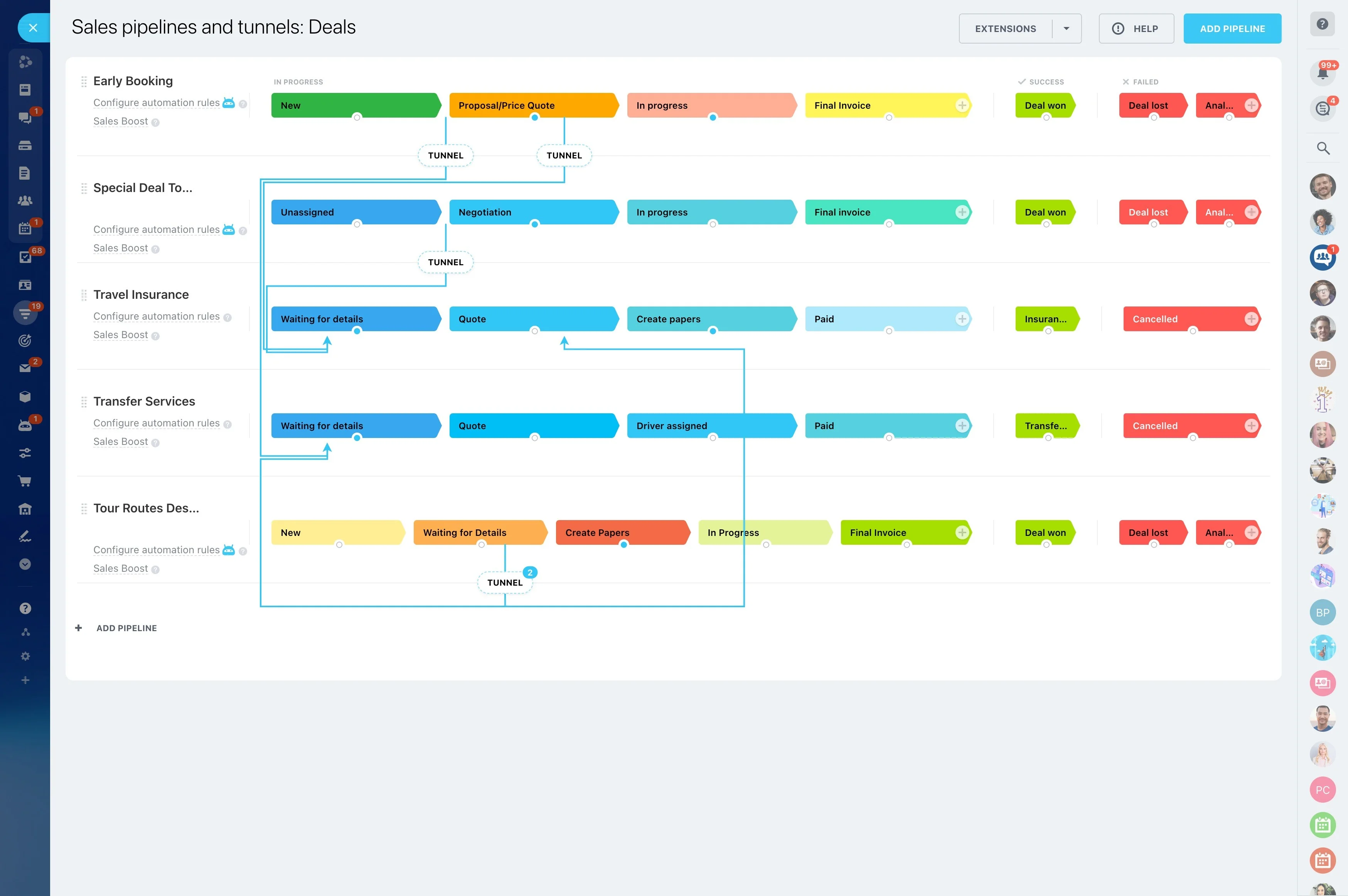
Run one pipeline with shared definitions
When multiple reps work the same book of business, stages must mean the same thing to everyone. Set up a shared pipeline with clear stage definitions and keep deal information structured as it moves forward, so “Qualified” or “Proposal sent” reflects real progress—not personal interpretation.
This makes reviews and forecasting conversations more consistent because the pipeline mirrors completed work.
Keep ownership clear through every handoff
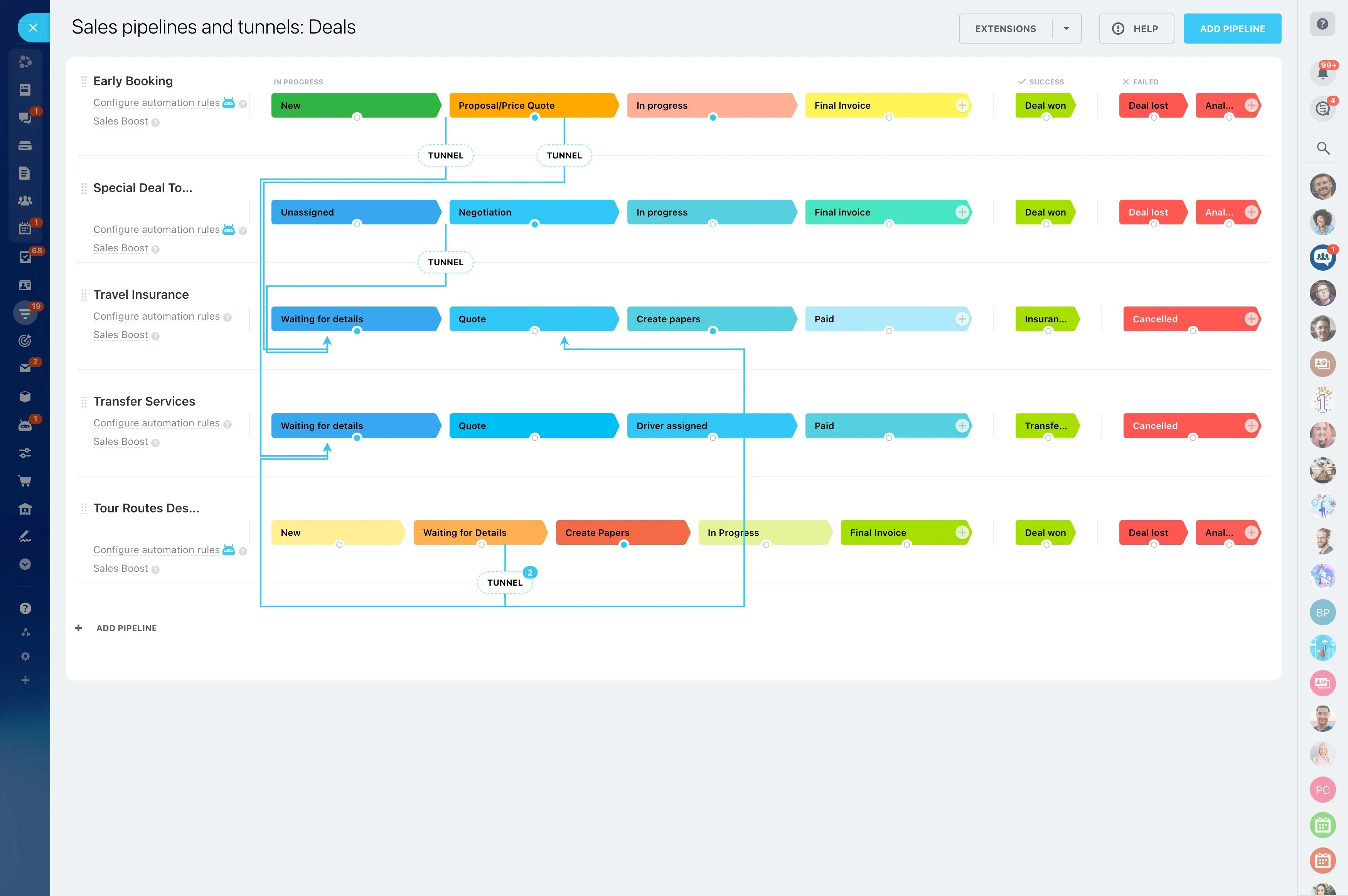
Deals stall when responsibility is implied instead of assigned. Maintain an explicit owner for each lead or deal, then update ownership as the opportunity changes hands—like SDR to AE, or AE to a specialist—so it’s always clear who drives the next action.
Clear ownership reduces duplicate outreach and highlights where support is needed.
Tie next steps to the opportunity record
A teams CRM works best when the “next step” is visible to anyone who opens the deal. Keep tasks and follow-ups connected to the opportunity so pipeline movement translates into concrete actions, not private reminders.
That turns handoffs into execution: the next rep can see what’s due, what’s blocked, and what must happen before advancing.
Use consistent handoff criteria across teams
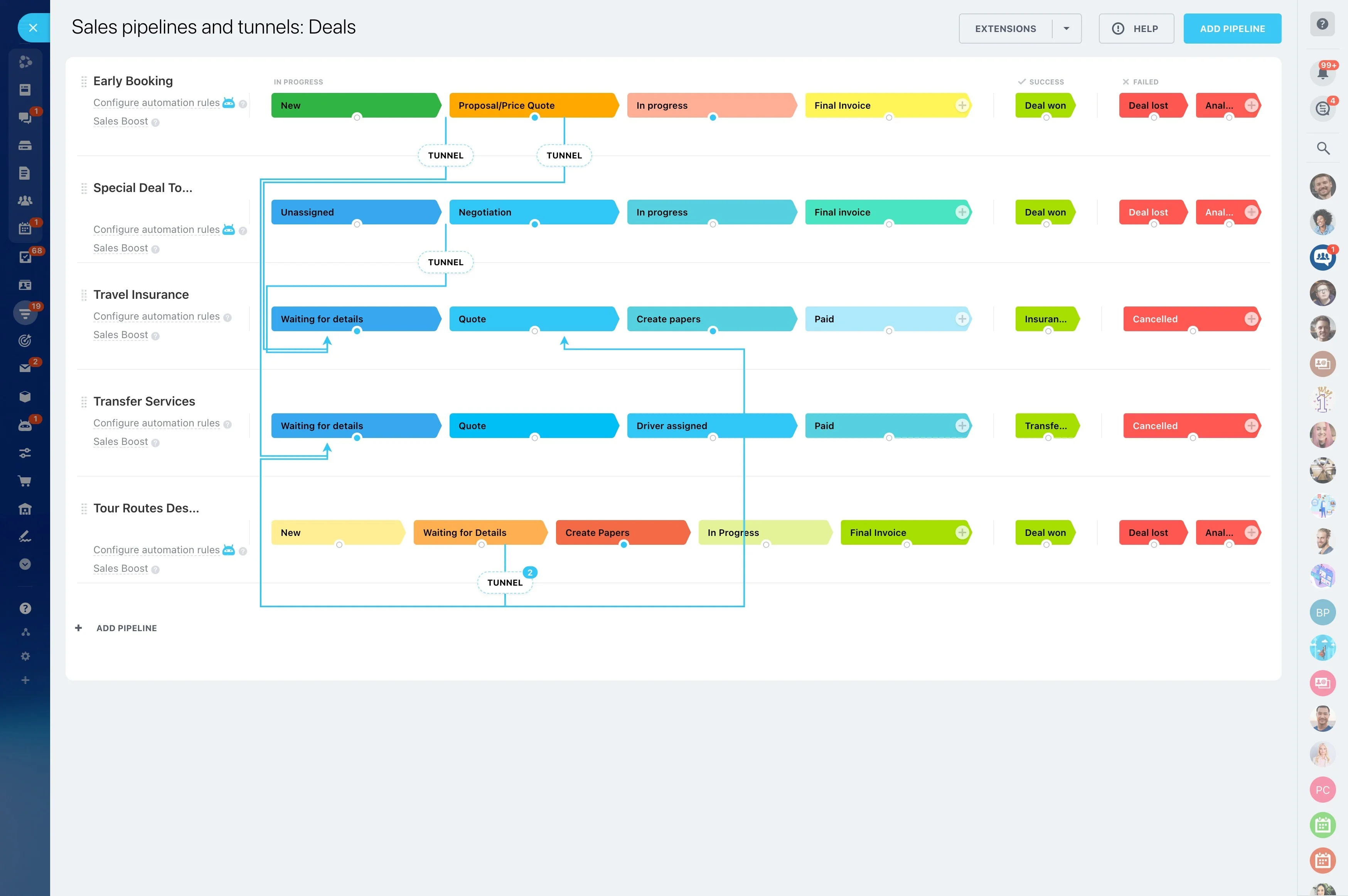
As handoffs become cross-functional—sales to sales engineering, legal, implementation, or customer success—define what “ready to hand off” means and ensure the required information is captured before the next team takes over.
A consistent handoff reduces rework and prevents customers from repeating the same details.
Give managers visibility without extra reporting
For sales leaders, a team CRM should show progress based on recorded work. When ownership changes, tasks, and stage movement are kept inside the deal record, managers can review pipeline health, spot bottlenecks, and coach using what’s actually happening.
This is especially useful for shared accounts, territory changes, and PTO coverage.