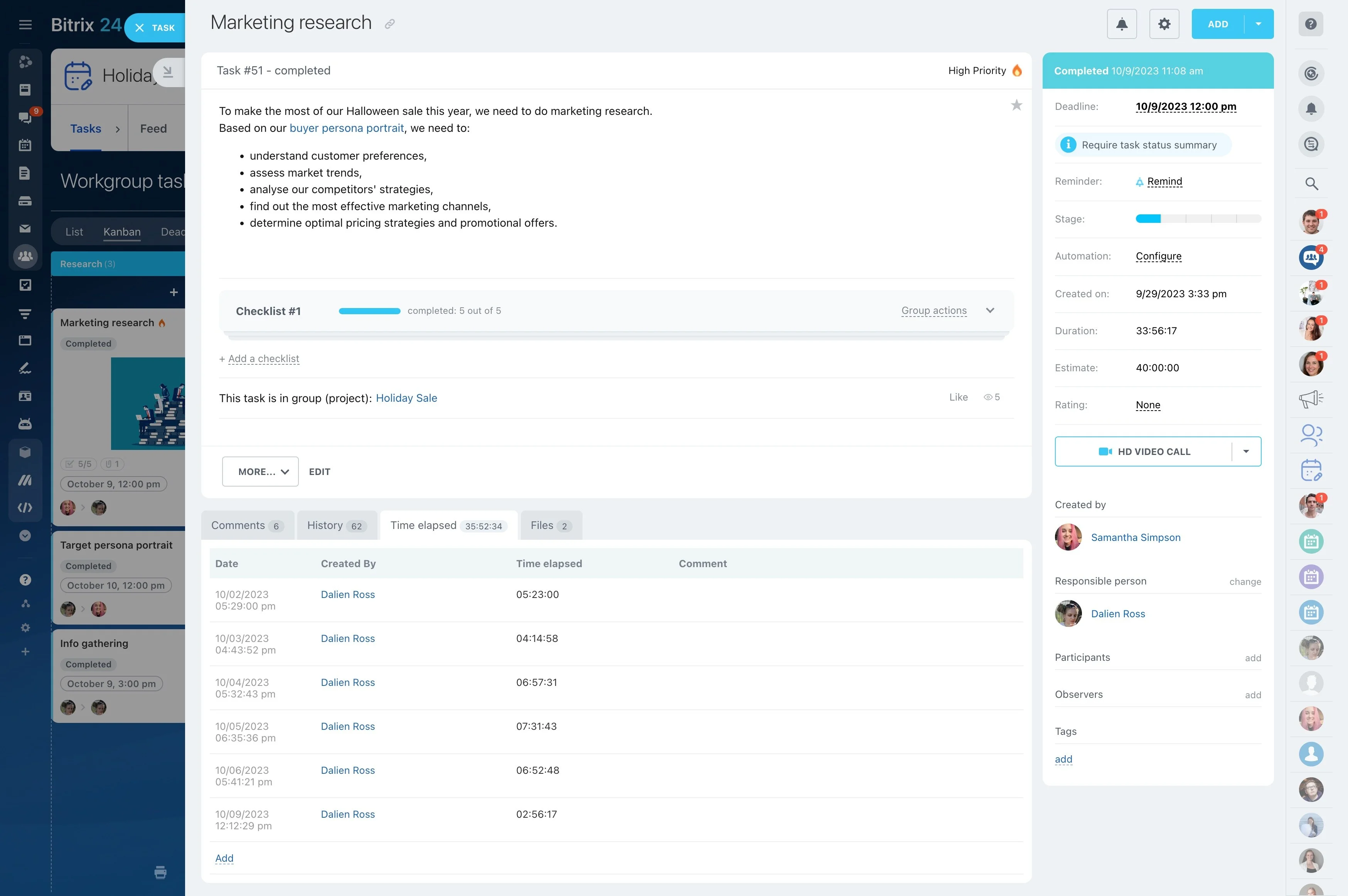
Planning an event means turning a fixed date into a sequence of decisions, deliverables, and handoffs. Venue arrangements, vendors, speakers, promotion, approvals, and on-site preparation all need clear ownership and timing.
Event project management software gives planners a structured way to build that plan and keep contributors working from the same information. Bitrix24 supports event preparation with shared project work, assigned tasks, deadlines, and schedules that carry the plan from the initial brief to event day.
Move approvals into production
Designs, agendas, vendor choices, budgets, signage, and communications may all require review. Make each decision a visible step with a responsible reviewer and a deadline.
When approval work stays connected to the related project task, planners can identify pending decisions and move approved items forward without losing context.

Build the plan from the event brief
Turn the event concept, date, audience, and delivery requirements into work packages for the venue, speakers, vendors, promotion, registration, materials, and on-site operations.
Give each deliverable an owner and due date so the team has a practical route from the first planning meeting to the final checklist.
Coordinate vendor handoffs
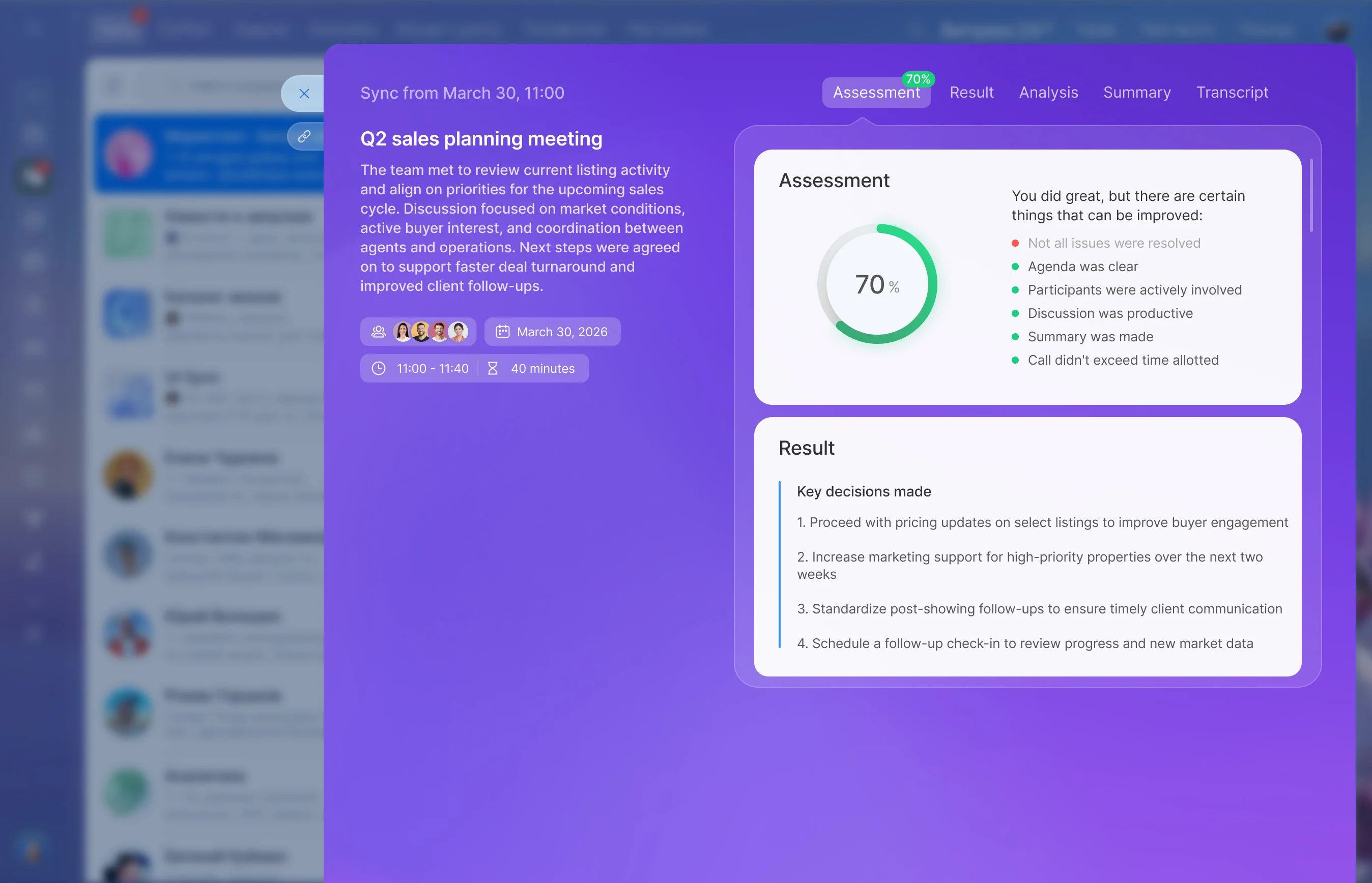
Vendor and internal work often depends on earlier decisions. Catering can affect the venue plan, speaker confirmation can change the agenda, and branding approval can delay printed materials.
Keep ownership and supporting project information together so planners can see who is responsible, what needs review, and which handoff comes next.
Work backward from event day
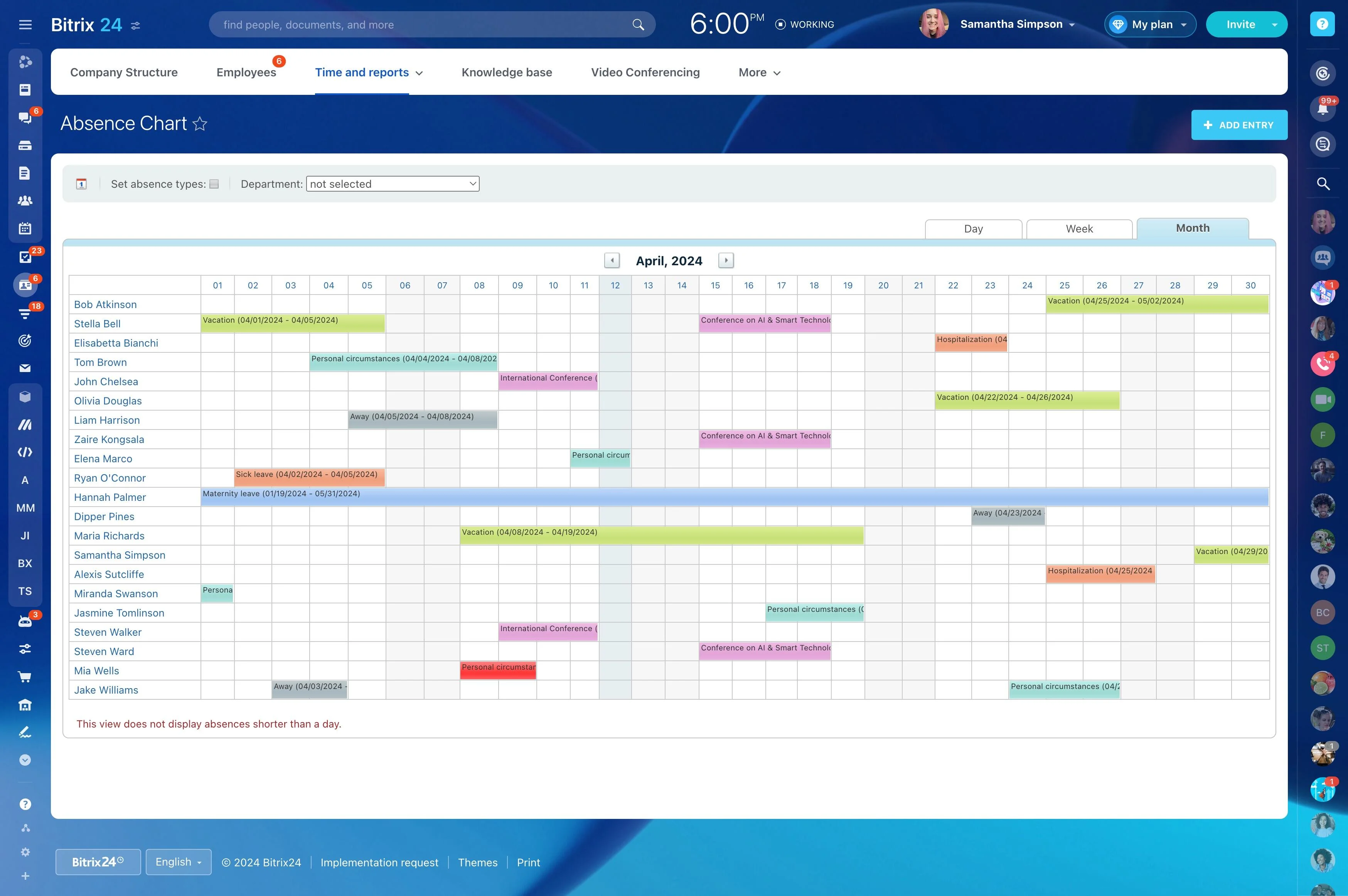
Set milestones for contracts, submissions, approvals, production, invitations, rehearsals, and setup by working backward from the fixed event date.
A shared schedule shows how individual deadlines support the wider timeline and helps the team identify deliverables that could put preparation at risk.
Prepare the event-day run sheet
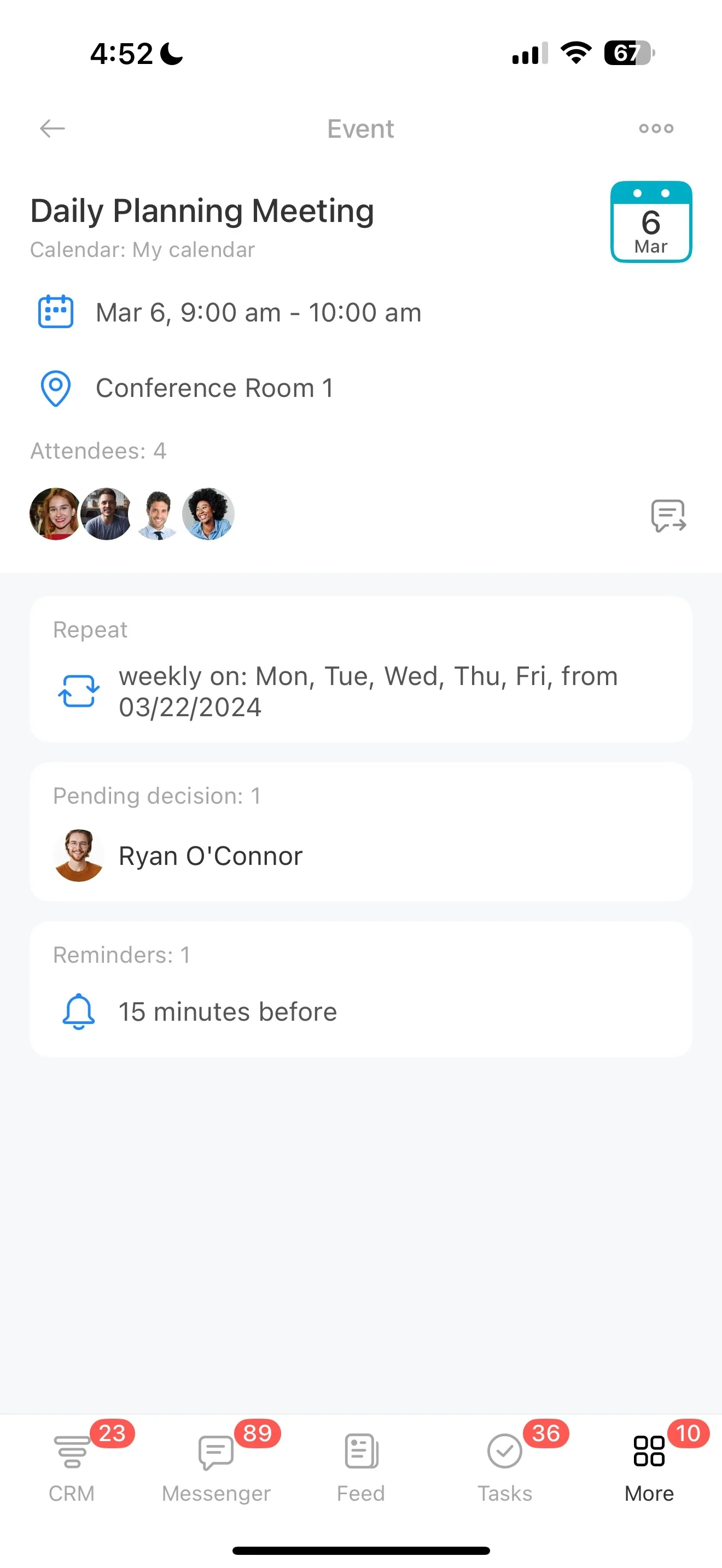
Event-day coordination covers deliveries, setup, technical checks, registration, sessions, breaks, speakers, and teardown—not just preparation tasks.
Keep the operational schedule available to the relevant contributors and assign responsibility for each transition. This gives the team a clear handoff from planning to execution.

Review readiness before the deadline
Planning reviews should focus on what is complete, what awaits approval, which vendor commitments need attention, and what must be finished next.
Structured tasks and project schedules give event leads a clear basis for these reviews, allowing them to address open work while there is still time to adjust the plan.