Scenario: retail fit-out inquiry to signed kickoff
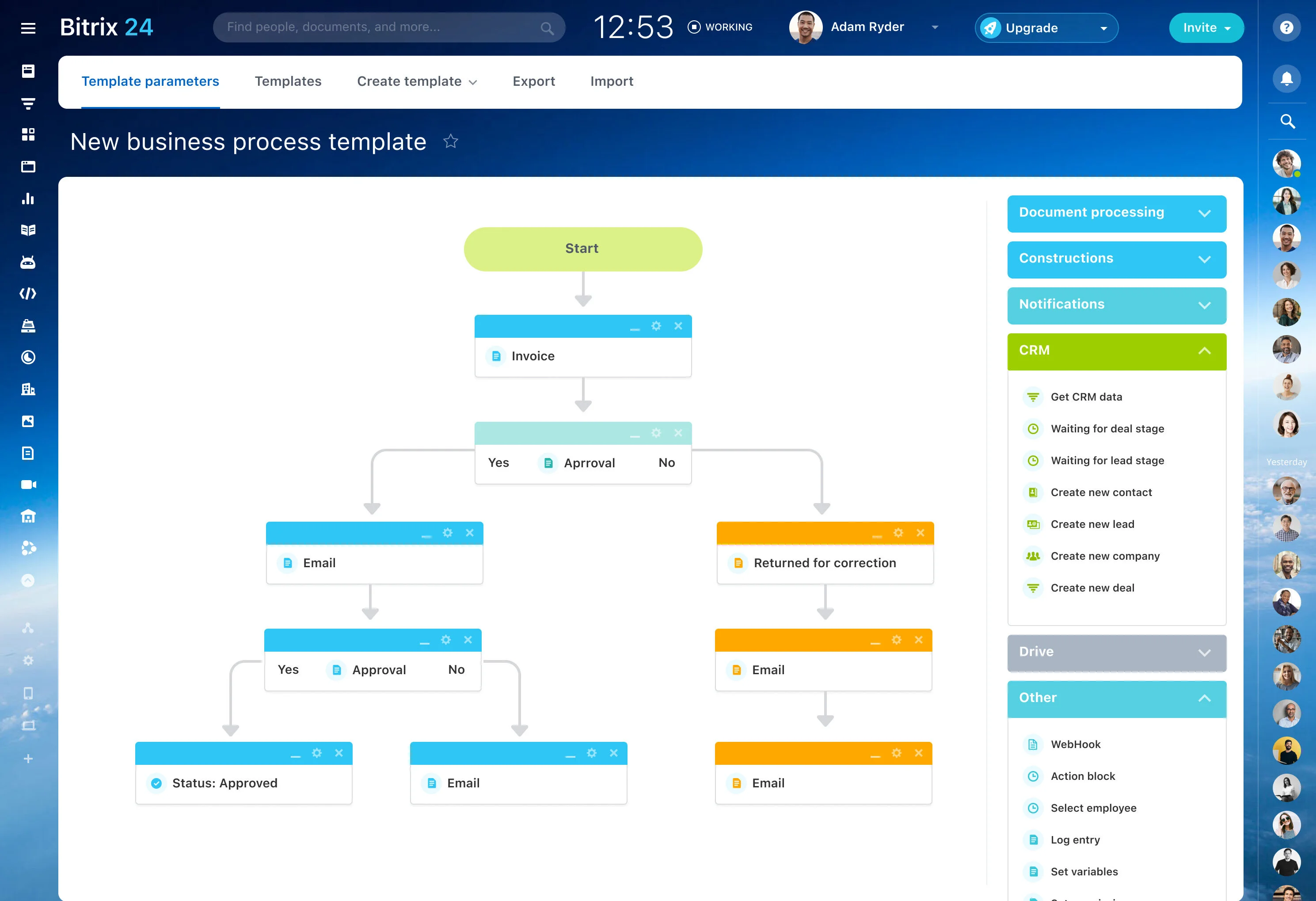
Architecture pursuits rarely move in a straight line: an inquiry becomes a discovery call, a site walk, a proposal with revisions, and a long decision cycle—then the real work starts with a handoff from business development to the project team. When scope details and stakeholder history live in separate email threads and folders, teams lose the “why” behind decisions and waste time rebuilding context.
Bitrix24 supports an end-to-end workflow for architecture firms by keeping the pursuit record connected as it evolves: capture and qualify inquiries, track stages and next steps, organize proposal work, and hand off a signed opportunity to delivery with the same notes and documents attached. That continuity helps principals, proposal managers, and PMs start kickoff with clearer expectations and fewer gaps.
- Track owners, developers, consultants, and internal roles on one record
- Move pursuits through firm-specific stages from inquiry to award
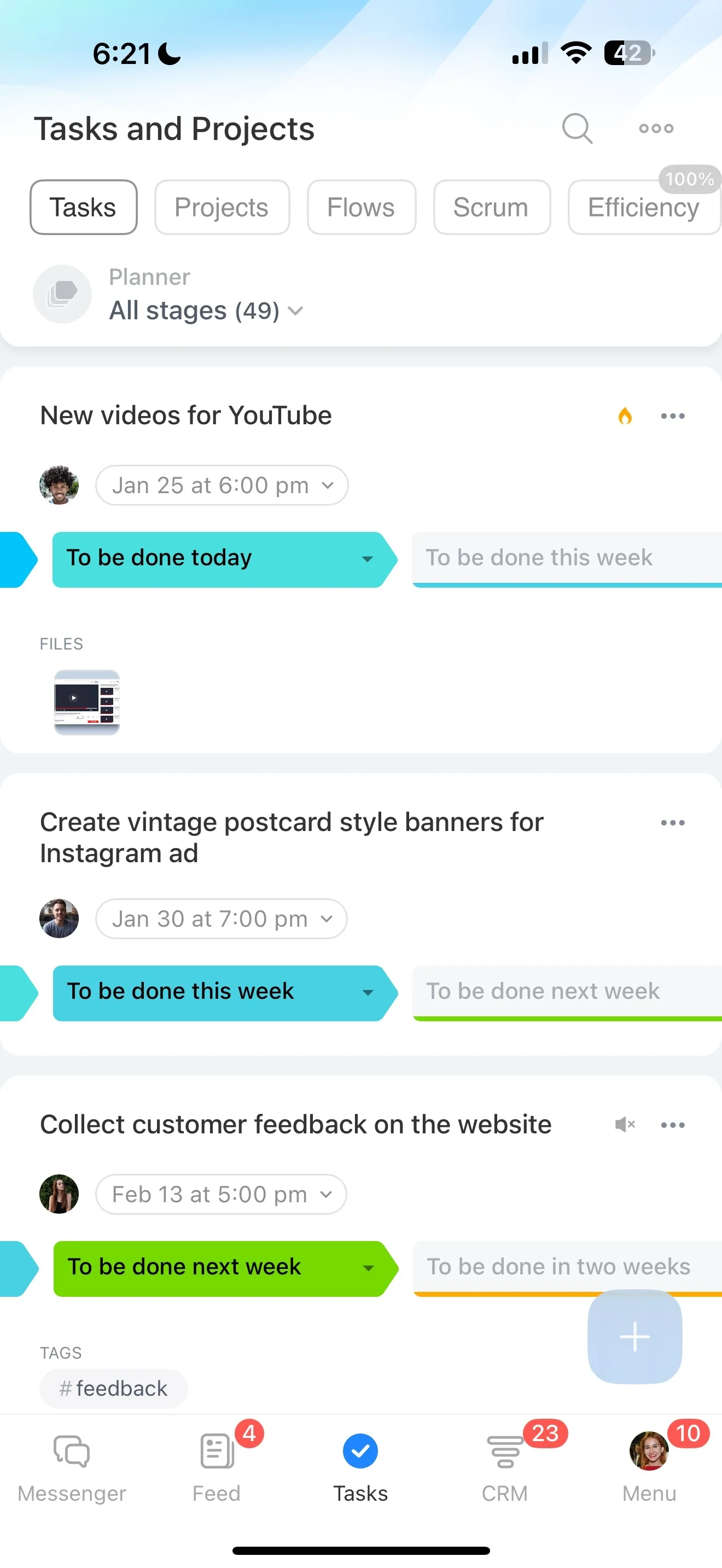
- Run structured handoffs with tasks, checklists, and due dates
Manage long decision cycles with planned next steps
Architecture sales cycles often have quiet stretches. Use a defined follow-up rhythm per stage so the pursuit stays active and ownership stays clear.
Log touchpoints (calls, emails, meetings, site walks), set next-step dates, and assign responsibilities across principals and business development. When timelines slip, you can update tasks and reminders while keeping the full history available to the team.
Build a pursuit pipeline that mirrors your stages
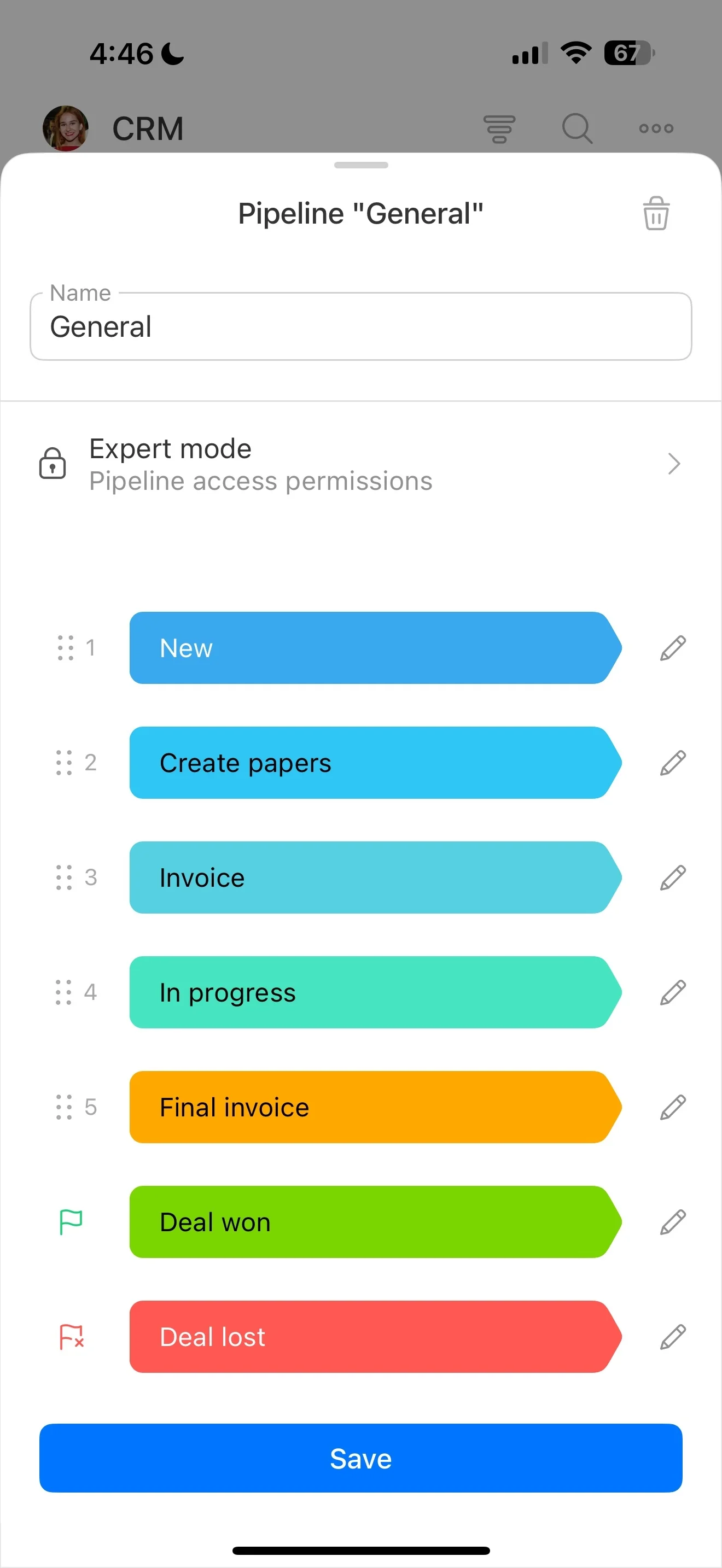
Architecture firms need more than “New” and “Won.” Configure stages that match how opportunities actually progress so everyone knows what qualifies a deal to move forward.
Typical stages might include New inquiry, Discovery scheduled, Qualification complete, Site visit / existing conditions, Proposal in progress, Proposal submitted, Negotiation / revisions, Shortlisted, Awarded / contract pending, and Not pursued. Keep key context (project type, rough scope, fee target, decision drivers) with the record so it doesn’t get lost between updates.
Standardize intake and qualification ownership
New work can come from referrals, forms, or partner introductions. Use a consistent intake flow so every inquiry is captured, assigned, and qualified the same way.
Record source, location, budget range, delivery method, schedule, and fit with your portfolio, then log discovery notes and stakeholders (owner rep, developer, facilities, key consultants). When it’s a real pursuit, convert it into a deal so the next person can pick up the thread without re-interviewing the client.
Keep proposal versions and approvals in one place
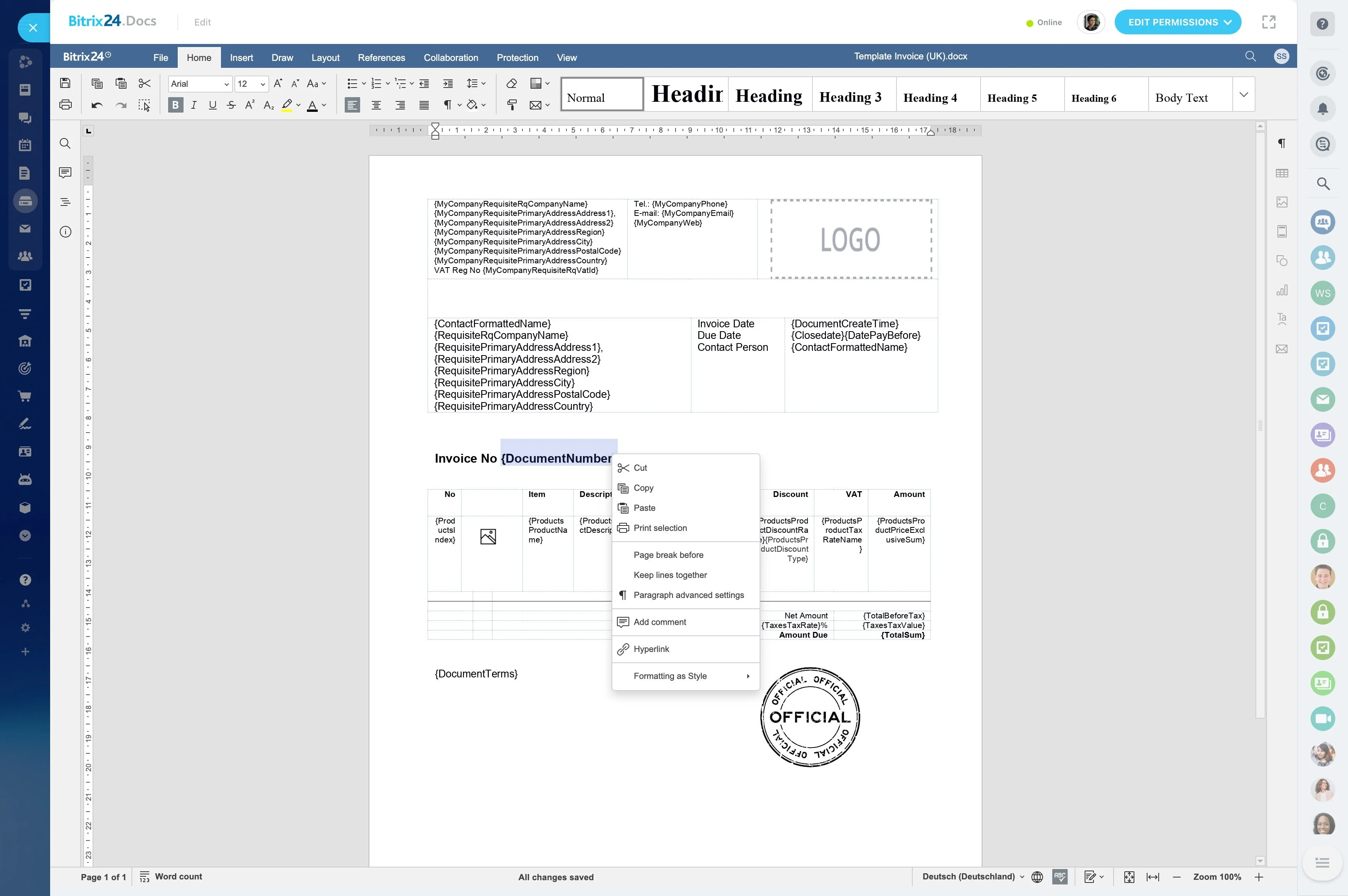
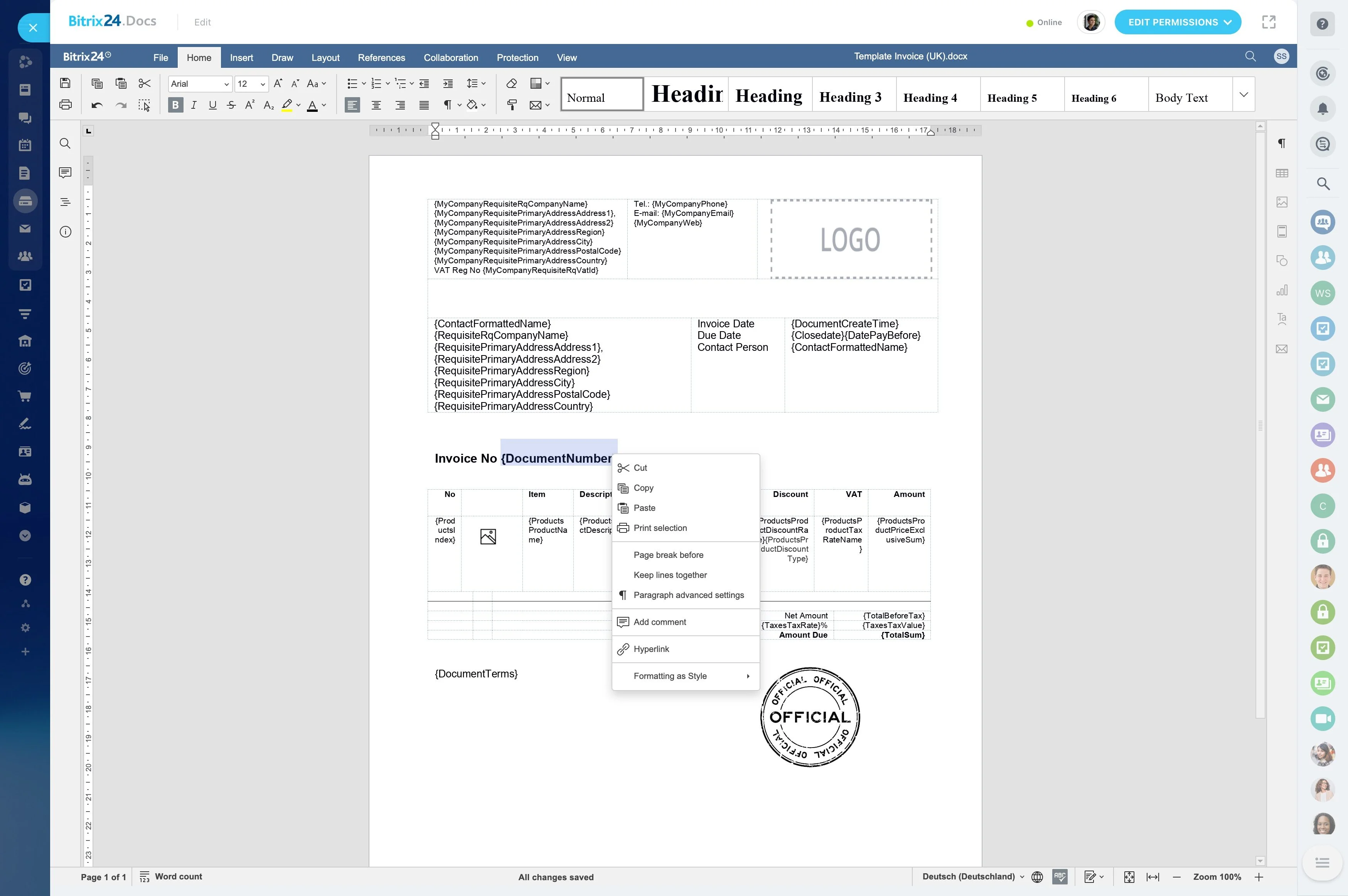
Proposals change. Keep revisions, review comments, and the latest approved documents attached to the same opportunity so the team can see what changed and what was accepted.
Coordinate the work with tasks for scope outline, fee assumptions, schedule, resumes, and required attachments. Capture commitments—deliverables, cadence, exclusions, assumptions—so negotiation and handoff don’t rely on memory or “final_v3” files.
Turn an awarded deal into a kickoff-ready handoff
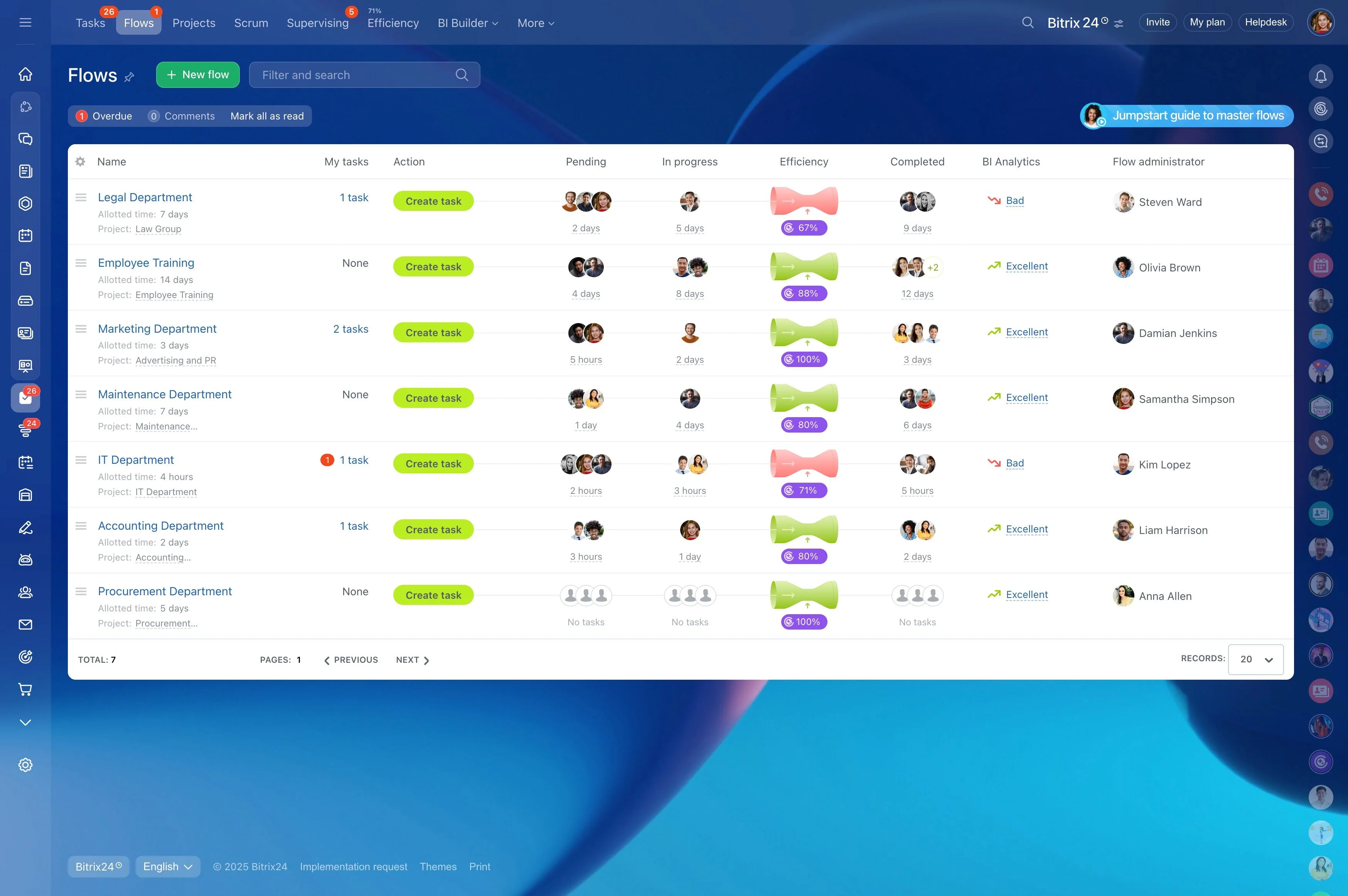
Award is where information loss hurts most. Use a handoff that translates the pursuit story into delivery-ready work.
Launch a kickoff checklist based on what was agreed: confirmed scope/program, fee and billing assumptions, stakeholder list, decision history, and risks. Assign tasks for contract collection, kickoff scheduling, consultant coordination, and first deliverables so the project manager starts with verified context.
Scenario: retail fit-out inquiry to signed kickoff
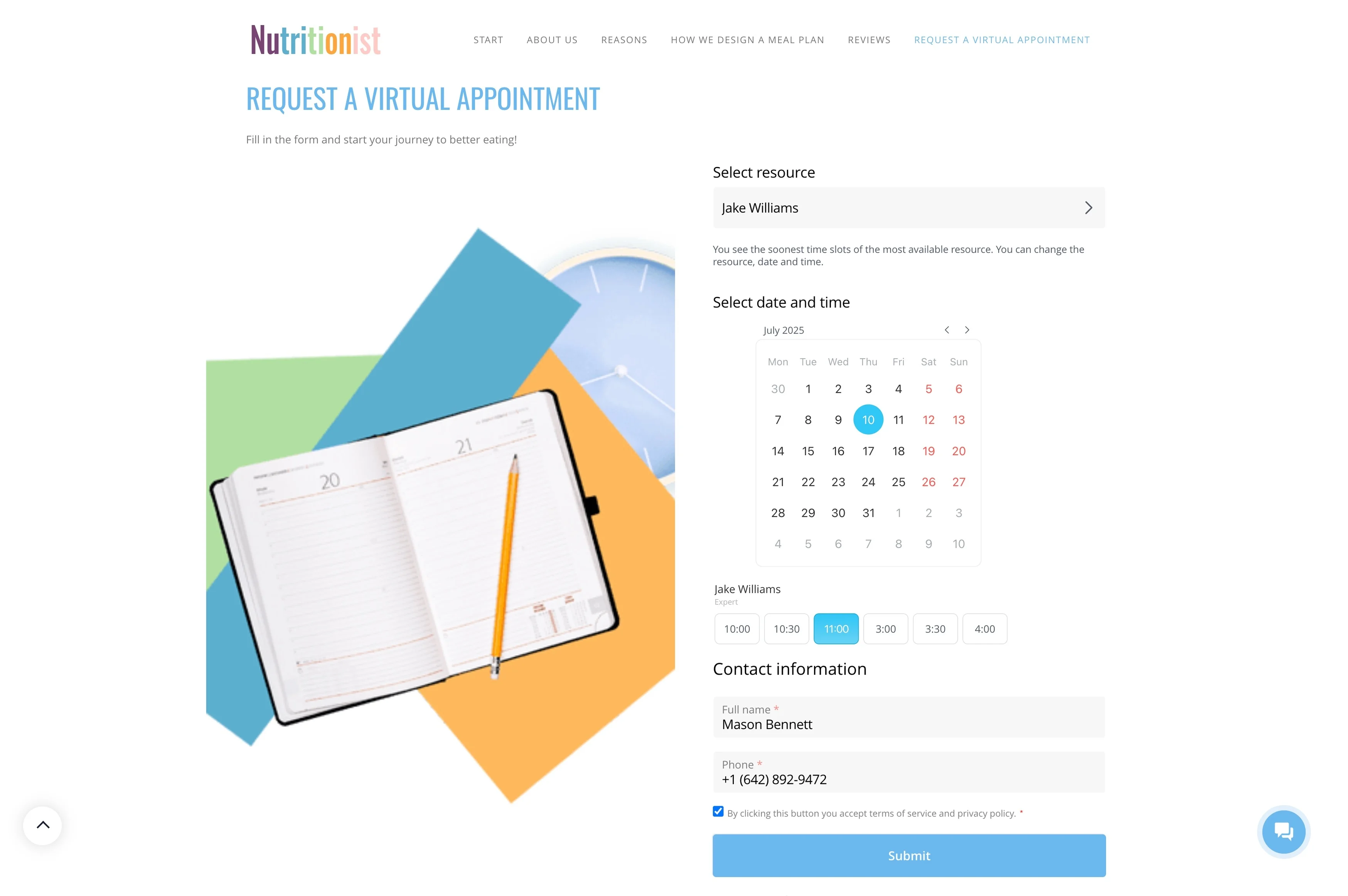
A developer emails about a multi-site retail fit-out program. The coordinator creates a lead, logs “referral” as the source, and assigns a principal for the discovery call. After qualification confirms budget and schedule fit, the lead is converted into a deal and moved to “Proposal in progress.”
The proposal manager assigns tasks for scope, fee, and schedule assumptions and stores the current proposal file with the deal. The client requests two revisions, tracked as notes and tasks so commitments stay clear. When the work is awarded, the deal moves to “Awarded / contract pending,” and a handoff checklist starts: collect the signed agreement, schedule kickoff, confirm stakeholders, and brief the PM using the recorded discovery notes and decision timeline.