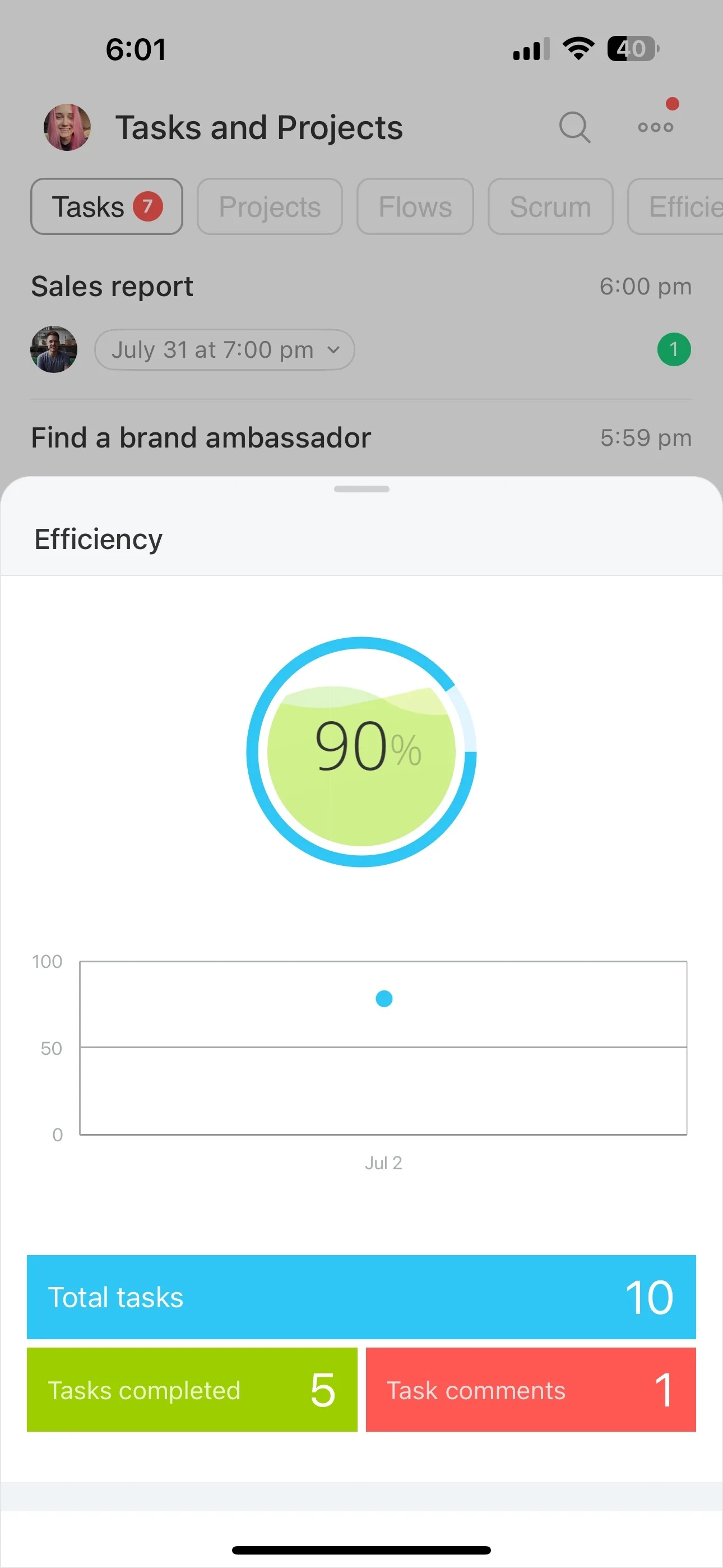
Short follow-ups and routine actions are easy to postpone when they live only in your head or in scattered notes. A focused to-do list gives each action a clear description, deadline, and place in your working day.
Bitrix24 supports this lightweight routine with tasks, due dates, assignments, and reminders. Use it for your own daily list or for small handoffs where another person needs to know what to do and when. The result is practical task tracking without turning every action into a full project.
Find today's priorities quickly
Review open tasks by deadline and priority, then focus on the actions that need attention today. Concise task names make the list easier to scan when several reminders are competing for your time.
Add context where it helps, but keep a simple reminder short enough to understand at a glance.
Define the next action clearly
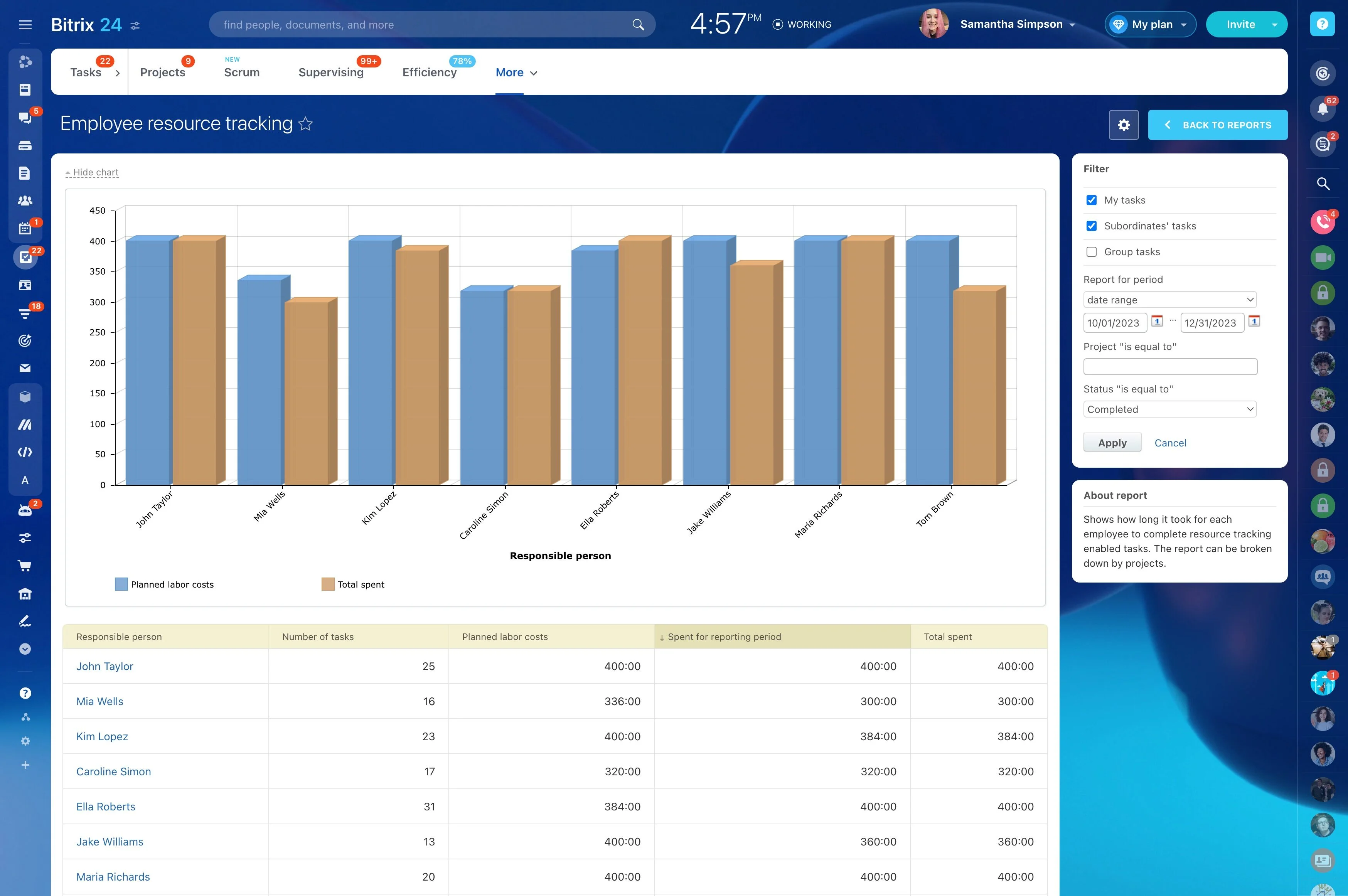
Write the task as a specific action rather than a broad intention such as “work on the project.” Add the expected result, a due date when timing matters, and only the context needed to complete it.
- Keep one clear action per task.
- Set a deadline for time-sensitive work.
- Add relevant details or files when they support completion.
Set reminders for timely follow-up
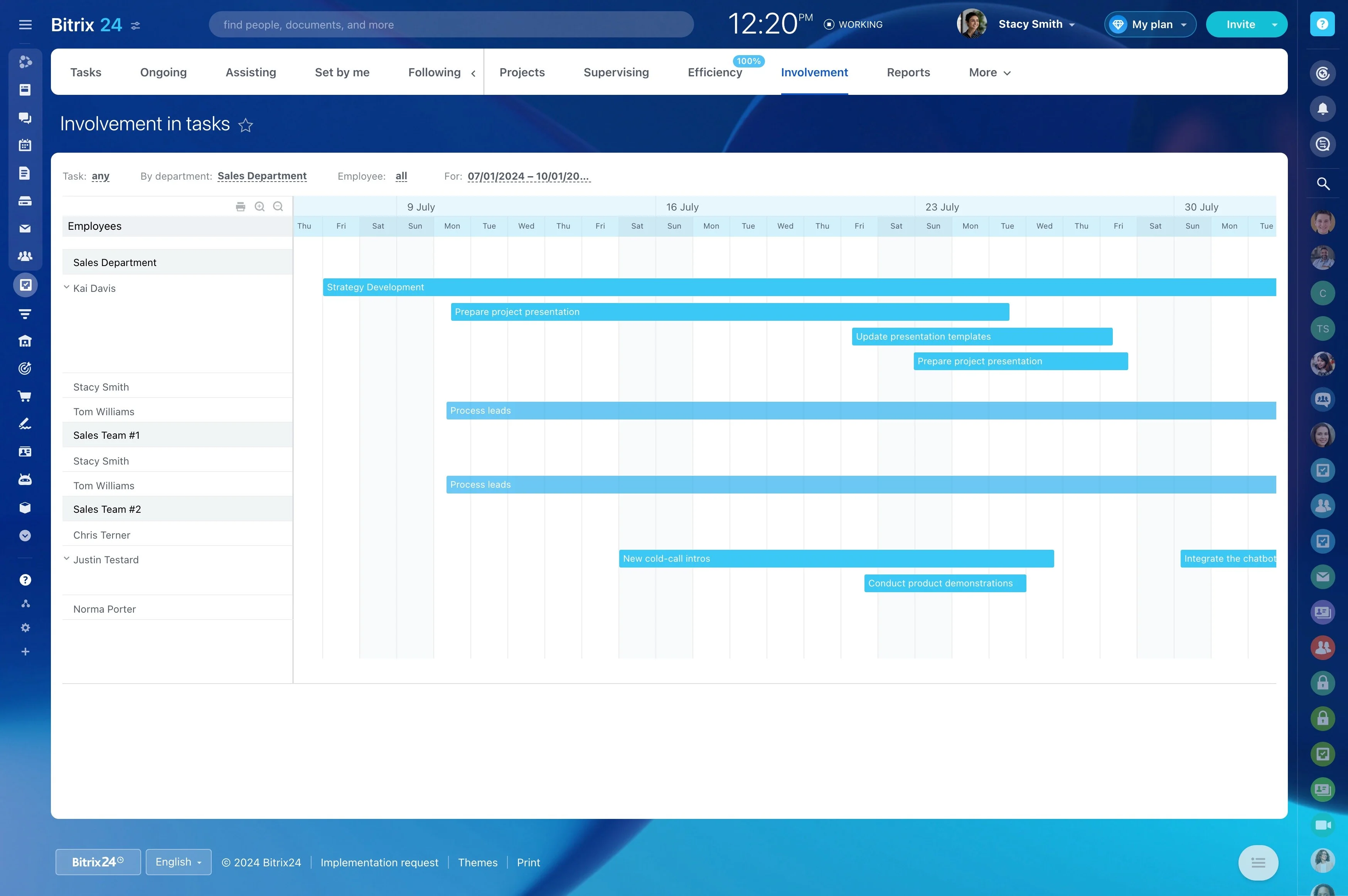
A reminder is useful when an action needs attention before its final deadline. Set one for preparation, review, approvals, or customer follow-ups so the task returns to your list at a useful moment.
This keeps routine work moving without requiring a detailed project plan for every small commitment.
Separate personal and shared tasks
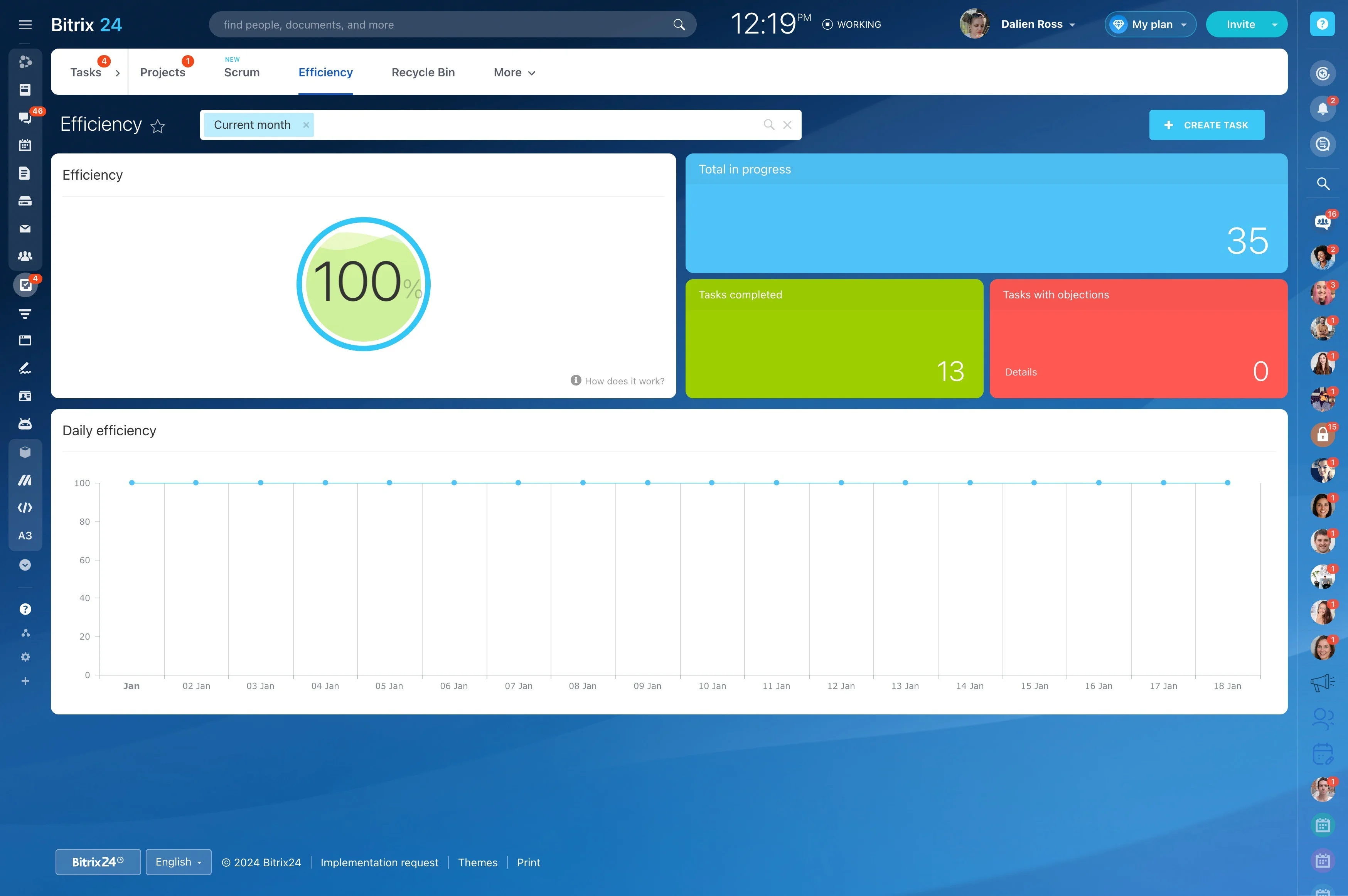
Keep personal priorities on your own list and assign shared actions when someone else must act or confirm completion. Visible ownership makes small handoffs easier to follow.
A clear assignee and due date can be enough to coordinate a simple piece of work without adding unnecessary process.
Keep lightweight work lightweight
Routine actions often need only a task, a responsible person, a deadline, and a reminder. That structure is enough for short follow-ups and everyday work that does not justify a separate project plan.
If an assignment grows more involved, its individual tasks can still provide a clear starting point for more structured planning.