Maria creates for six hours a day. Then she spends another four responding to messages. She posts across three platforms, edits on two apps, tracks income in four spreadsheets, and still feels behind.
Last month, she forgot to follow up with a top supporter — someone who usually buys everything she releases. That one missed interaction cost her over $2,000.
She works harder than ever, but her income barely moves.
Maria isn’t unmotivated. She isn’t disorganized by nature. She’s doing what millions of creators do: trying to run a full-time business with part-time tools.
Because, despite the creator economy becoming a $250 billion industry, most creators are still relying on notes apps, alarms, and scattered reminders to hold everything together.
This guide exists because Maria’s story isn’t unusual. It’s all too common. And it’s why so many creators feel exhausted, overwhelmed, and stuck at the same income no matter how much effort they pour in.
What you’re about to read isn’t another “work harder, post more” pep talk. It’s the shift that happens when you stop operating like a creator trying to keep up, and start operating like the CEO of your own business.
Because once you do, everything about your creator life starts to change.

The creator bottlenecks no one talks about
The creator economy is larger than ever, but the data shows that most creators are still struggling with income, workload, and sustainability.
Income remains extremely low for the majority
Recent industry research shows:
In other words: the economy is growing, but most creators aren’t seeing that growth in their own pockets.
Burnout is becoming the norm, not the exception
One of the most widely cited 2025 studies found:
Creators point to workload, pressure to be constantly active, and unpredictable income as the leading causes.
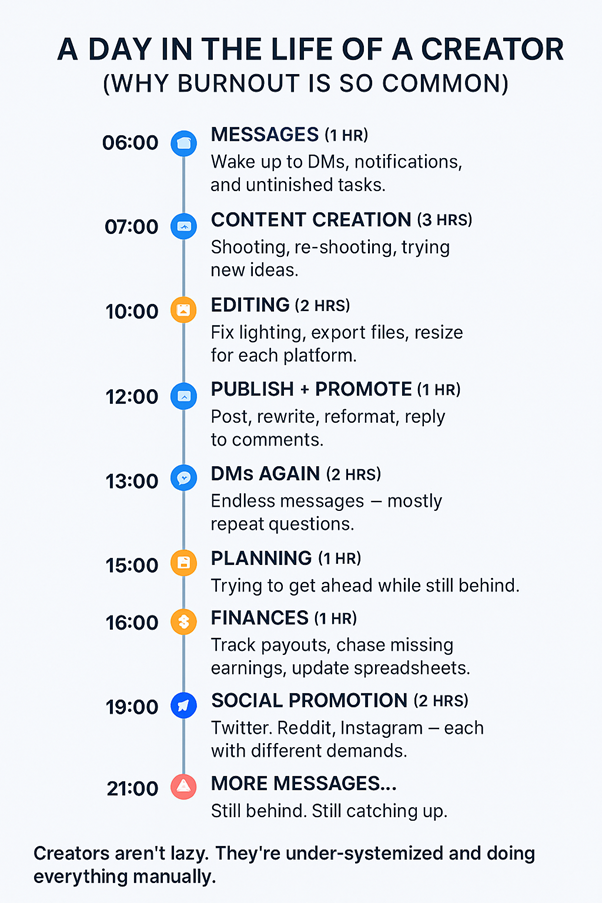
A Day in the Life — What Creator Burnout Actually Looks Like
It’s 6:00 AM, and your day begins long before you create anything.
You wake up to messages, notifications, and yesterday’s unfinished tasks.
06:00 — Check overnight messages (1 hour)
Before breakfast, you’re already trying to catch up.
07:00 — Create content (3 hours)
Shooting, re-shooting, trying new ideas, fighting the feeling you’re repeating yourself.
10:00 — Edit photos/videos (2 hours)
Exporting, fixing lighting, and resizing for different platforms.
12:00 — Publish + promote (1 hour)
Post on one platform, rewrite it for another, then answer comments so the algorithm doesn’t punish you.
13:00 — Respond to DMs (2 hours)
The messages never end.
And most of them repeat the same questions.
15:00 — Content planning (1 hour)
Trying to plan next week while feeling behind on today.
16:00 — Accounting + finances (1 hour)
Checking payouts, chasing missing earnings, updating spreadsheets.
17:00 — Social media promotion (2 hours)
Twitter, Reddit, Instagram — each with its own rhythm and rules.
19:00 — Custom content (2 hours)
High-effort work squeezed in at the end of the day, when you’re running on the fumes of those late-afternoon coffees…
21:00 — More messages…
And somehow, you’re still behind.
When you look back on your day, you realize you spent 15+ hours working — but only 3 hours on what actually makes money: creating content.
Everything else was admin.
This is the silent reality behind creator burnout:
Creators are overworked, under-systemized, and doing everything manually.
You’re not “just a creator.” You’re a CEO. It’s time to manage like one.
Replace notes apps, alarms, and missed opportunities with management tools that turn creative chaos into a scalable, predictable business.
Get Started as a CEO
Where things break down
Most creators describe the same friction points, even if they use different words for them. These challenges aren’t unique to you; they’re built into the way creators are forced to work today.
You’re losing money without knowing it
The hidden leaks no one talks about:
- Missing follow-ups with high-paying supporters
- Posting at suboptimal times without data to show what works
- Treating all subscribers the same instead of segmenting
- No insight into which content actually converts
- Losing recurring revenue because engagement feels inconsistent
When there’s no system behind the work, revenue gaps hide in the day-to-day and compound over time.
You work 24/7 but don’t grow
More effort doesn’t equal more income when everything is manual.
- You’re stuck in reactive mode
- A single day off causes a revenue dip
- You can’t scale what you can’t measure
- You’re constantly firefighting instead of building
- Your income plateaus despite increasing hours
This is why hustle culture fails creators: you can’t ‘outwork’ inefficiency.
You’re one person against an entire team
Your competitors aren’t outperforming you — they’re out-systemizing you.
- They have managers, editors, analysts
- You have a notes app, a calendar, and a mental checklist
- They operate like businesses
- You’re expected to do everything alone
It’s an uneven playing field, and it’s exhausting.
When you see these patterns clearly, the solution becomes clearer too: it’s not about working more, but about operating differently. That shift changes everything.

The perspective shift creators need
Most creators think they’re struggling because they need more discipline, more hours, or more consistency. But the truth is far simpler (indeed, far kinder!).
The industry matured into a $250 billion powerhouse. The infrastructure behind it didn’t.
And that’s why so many creators feel overwhelmed. Not because they’re doing something wrong, but because they’re trying to run a real business with tools built for casual posting.
To make the shift from “creator” to “CEO,” you have to see the gap clearly:
What every real business has vs. what most creators are left with
|
Traditional business
|
Creator without systems
|
|
CRM system
|
Memory and phone notes
|
|
Accounting software
|
Excel (sometimes)
|
|
Analytics dashboard
|
Native platform stats
|
|
Content calendar
|
Chaotic planning
|
|
Automation
|
Everything manual
|
|
Team
|
All by yourself
|
|
Strategic planning
|
Day-to-day survival
|
|
Customer segmentation
|
Everyone is treated the same
|
|
Revenue forecasting
|
Hope and guess
|
|
Time tracking
|
No idea where time goes
|
Creators aren’t hobbyists anymore — many are running $50k, $100k, even $500k businesses in revenue terms. However, they’re using consumer-grade tools that were never intended to support a real operation.
The creators who scale aren’t “luckier” or “more consistent.” They’ve simply closed the gap: they run their creator business like an actual business.
And once you see this clearly, the next part becomes obvious: you don’t need more hustle or grind. You need the right structure behind your work.
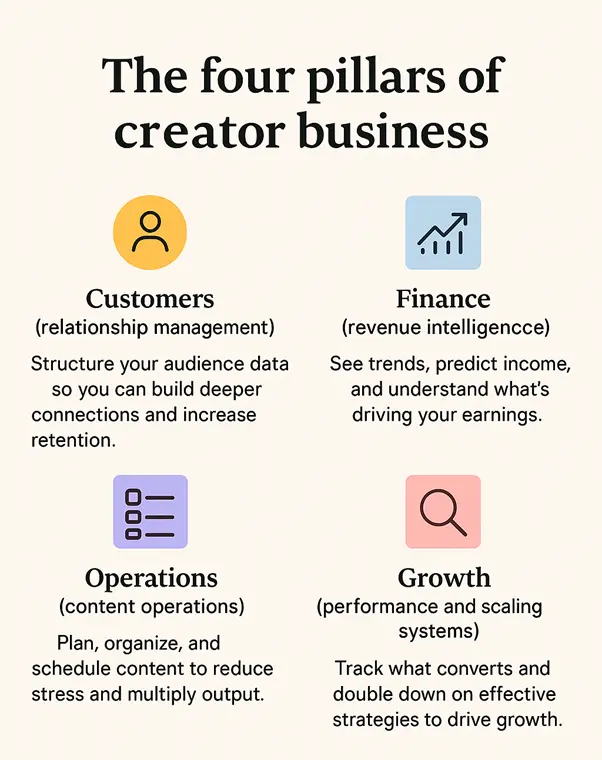
The four pillars of a creator business
Every creator business, no matter the platform or size, runs on the same four systems. Most creators don’t think of their work this way, but once you do, everything becomes clearer, more manageable, and easier to grow.
These pillars aren’t abstract ideas. They’re the foundation that every successful business relies on, and creators are no different. When these areas are handled manually, the work feels chaotic and reactive. When they’re structured, the entire creator operation becomes lighter, more predictable, and far more profitable.
Customers (relationship management)
Your audience isn’t just a follower count — it’s a customer base with different levels of loyalty, preferences, spending habits, and needs. Without structure, creators treat everyone the same. With systems, you see who your top supporters are, how they engage, and how to build deeper connections that increase retention and lifetime value.
Finance (revenue intelligence)
Most creators look at income only after it arrives. They don’t see patterns, trends, or what’s driving results. A professional approach gives you visibility into what’s working, what’s not, and what’s predictable. It’s about shifting from “How much did I make?” to “What should I expect next month, and why?”
Operations (content operations)
This is the difference between always running behind and running things like a real production workflow. Planning, batching, organizing, scheduling, and quality control — the things that reduce stress and multiply output. Systems turn content creation from a daily scramble into a manageable, repeatable process.
Growth (performance and scaling systems)
Growth isn’t just posting more. It’s understanding what converts, testing ideas, tracking funnels, and doubling down on what works. Professional creators make decisions based on data, not guesswork. This pillar turns creativity into predictable growth, not occasional spikes.
Once these four areas have structure, everything else gets easier. You spend less time reacting and more time creating. You make decisions with a clear head (instead of rising blood pressure!). And your business becomes something that can grow without requiring more and more hours from you.
The tools behind a scalable creator operation
Creators already do the work these tools cover — just manually, and often under pressure. Putting structure behind these tasks transforms them from daily stressors into predictable systems that support creativity and growth.
Revenue analytics: clarity on what really converts
The problem
Most creators only see their earnings after they arrive. They don’t know why a month went up or down, which content actually drove the change, or what to expect next. That makes planning impossible and growth unpredictable.
The solution
A professional revenue dashboard breaks income down by source, content type, posting time, offer type, and subscriber behavior. Instead of guessing what worked, creators can see clear patterns, track trends over time, and forecast future revenue with accuracy.
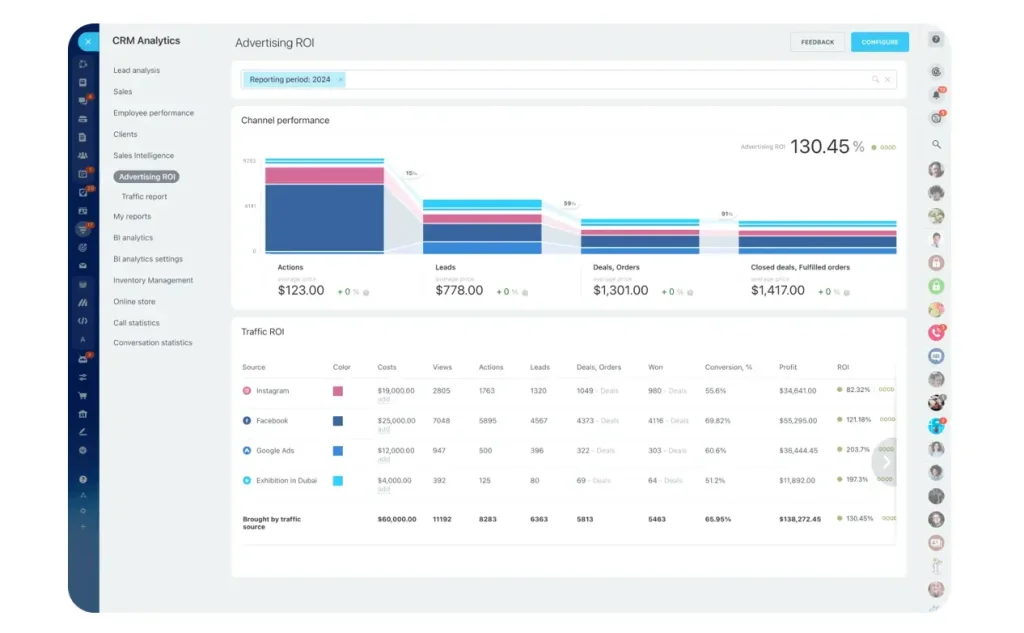
Example-in-action
Anna assumed weekends were her best earning days because engagement felt higher.
But when she checked her analytics, she saw her Tuesday evening posts consistently generated 340% more PPV sales. She shifted her posting schedule accordingly. No extra content, no extra hours.
Result
Her monthly income increased by 43% simply by understanding what actually converted.
Subscriber relationship management
The problem
Creators often treat every subscriber the same because they can’t see who their most engaged or highest-value supporters are. Without visibility, follow-ups get missed, loyal fans don’t get nurtured, and high spenders blend into the crowd.
The solution
A proper relationship management system segments subscribers by behavior, spending, engagement, and preferences. It keeps track of past interactions, highlights top supporters, and creates reminders for meaningful touchpoints, so you can personalize without guessing or digging through messages.
Example-in-action
Jake thought he had a handful of “whales.” When he saw his relationship dashboard, he discovered 47 top-tier supporters who were consistently buying, tipping, and engaging — and he had barely spoken to some of them. He began sending simple, personalized weekly check-ins.
Result
Their average monthly spend rose from $180 to $320, adding $6,580 in recurring monthly income from a tiny fraction of their audience.
Content calendar & batch planning
The problem
When creators plan day-to-day, everything feels urgent. You’re shooting, editing, posting, and promoting in the same 24 hours — which drains energy, lowers quality, and makes it impossible to take a real break.
The solution
A structured content calendar turns creation into a predictable workflow. You can map themes, plan series, batch-shoot in focused sessions, and schedule posts weeks ahead. Instead of constantly reacting, you’re running a clear production cycle that protects time and reduces stress.
Example-in-action
Sophie was filming new content every single day because she felt she “had to stay consistent.” After switching to a batch-planning setup, she shot everything for the week in one focused 8-hour session, then used her calendar to schedule and track performance.
Result
She saved 6 hours per week, her engagement rate increased by 31%, and the constant feeling of burnout lifted almost immediately.
Message automation & templates
The problem
Creators spend hours every day answering the same questions, sending the same welcomes, and repeating the same explanations. It’s necessary work, sure. But it eats into the time and energy needed for creating, planning, and growing.
The solution
Message automation handles the repetitive parts: welcome sequences, common questions, re-engagement prompts, follow-up reminders. Templates keep responses consistent and fast, while light personalization makes them feel human. You stay present without being chained to your inbox.
Example-in-action
Rachel built a small library of 15 templates for the questions she answered most often. She also set up a simple three-message welcome sequence for new subscribers. Suddenly, she didn’t have to start every conversation from scratch.

Result
She saved 12 hours each week, and her 30-day new-subscriber retention jumped from 41% to 67% — because everyone now received a warm, consistent introduction.
Financial management
The problem
Most creators only look at finances when payouts arrive or during tax season. Expenses get scattered, taxes become stressful, and it’s hard to know what’s actually profitable. Without visibility, financial decisions feel reactive and uncertain.
The solution
A proper financial system tracks income, expenses, categories, tax obligations, and cash flow automatically. It shows what you’re really earning after costs, helps you plan for taxes, and highlights which investments are paying off — giving creators real control over their business health.
Example-in-action
Tom started logging all his production costs, marketing spend, equipment purchases, and platform fees in one place. After a few months, he discovered $8,400 in deductible expenses he’d previously missed and set up an automatic 30% tax reserve.
Result
He saved nearly $3,000 in taxes, eliminated tax-season panic, and finally had a clear picture of his actual monthly profit (not just his payout balance).
Security & privacy shield
The problem
Creators deal with constant risks: content leaks, impersonation, privacy concerns, and personal information exposure. Handling this manually — or ignoring it — leaves income vulnerable and adds a layer of anxiety to every post.
The solution
A proper protection system adds safeguards: automatic watermarking, leak monitoring, secure file storage, safer communication channels, and clear steps for handling takedowns. Instead of reacting after damage is done, creators have a proactive layer of security.
Example-in-action
Emma enabled automatic watermarking and connected her content library to a leak-monitoring service. Within the first month, she identified three unauthorized reposts and issued takedowns before they spread further.
Result
She protected an estimated $1,200+ in monthly revenue and, more importantly, gained peace of mind knowing her content wasn’t drifting across the internet without her knowledge.
Growth & marketing tools
The problem
Creators often promote their work across multiple platforms without knowing which posts, formats, or channels actually lead to new subscribers. Promotion becomes guesswork, and growth feels inconsistent and exhausting.
The solution
Growth tools track the entire funnel, from click to conversion. They allow creators to A/B test promotional posts, analyze which channels bring paying subscribers, and refine their approach based on data instead of gut feeling. Over time, this turns promotion into a predictable system rather than a gamble.
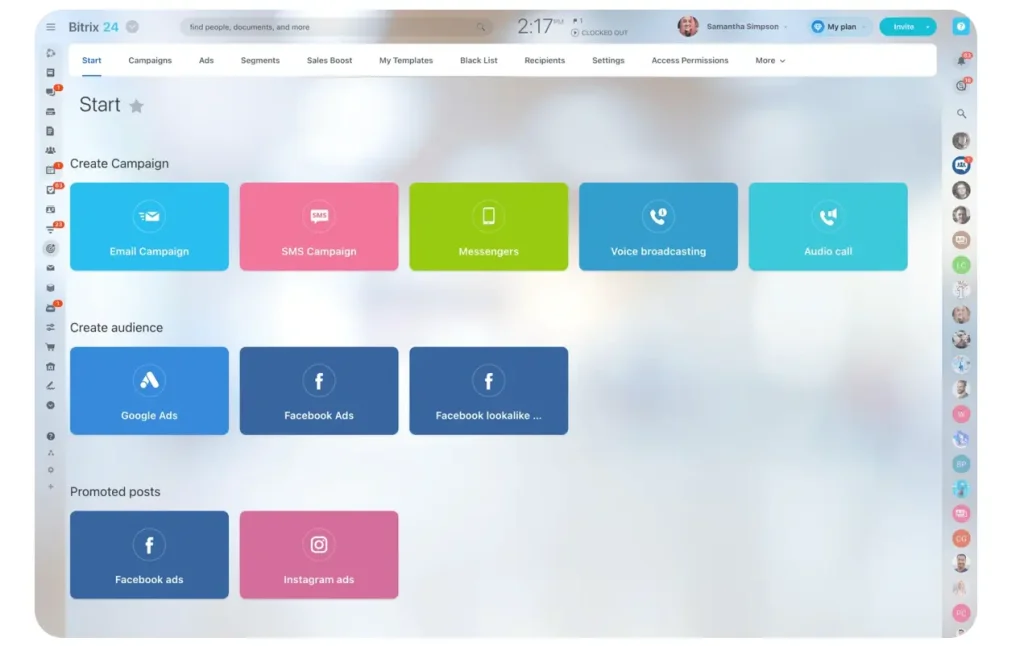
Example-in-action
Lisa tested 10 different Reddit post formats using simple A/B comparisons. She discovered that “behind-the-scenes” posts converted 5.7× better than direct promotions. She shifted most of her promotional efforts accordingly.
Result
Her subscriber conversion rate rose from 1.2% to 6.8%, her cost to acquire new subscribers dropped dramatically, and her growth stabilized for the first time in months.
With the right systems in place, the final piece is leverage: using automation to take repetitive tasks off your plate and turn hours of manual work into minutes.
Automation & Time Savings
Automation isn’t about replacing the creator; it’s about removing the repetitive, low-value tasks that drain energy and slow growth. When routine work is handled automatically, creators get back hours of time each week without sacrificing quality or personal connection.
Below is what happens when the most common creator tasks shift from manual to automated:
|
Task
|
Manual time
|
Automated time
|
Hours saved
|
|
Responses to typical questions
|
5 hrs/week
|
0.5 hrs/week
|
4.5 hrs
|
|
Post scheduling
|
3 hrs/week
|
0.3 hrs/week
|
2.7 hrs
|
|
Mass messages with personalization
|
4 hrs/week
|
0.5 hrs/week
|
3.5 hrs
|
|
Financial tracking
|
3 hrs/week
|
0.2 hrs/week
|
2.8 hrs
|
|
Analytics compilation
|
5 hrs/week
|
0.1 hrs/week
|
4.9 hrs
|
|
Follow-up reminders
|
2 hrs/week
|
0 hrs/week
|
2 hrs
|
Total:
22 hours of weekly work → 1.6 hours
20.4 hours saved.
That’s more than two full workdays returned to you, every single week.
What creators can do with 20 extra hours
- Create higher-quality content without rushing
- Launch new revenue streams
- Promote more consistently
- Actually take time off (yes, imagine that…)
- Plan instead of firefighting
- Reduce stress and avoid burnout
- Build long-term growth instead of reacting to daily tasks
The financial impact
If your effective hourly rate is $50, that’s nearly $1,000 per week, or over $52,000 per year, in reclaimed value. And that’s before you even count the income gains that come from better planning, data, and execution.
The personal impact
More clarity. Less pressure.
More creativity. Less overwhelm.
More time for what actually matters, both in and outside of your business.
When automation supports your systems, your workload drops, your results grow, and your operation finally starts to feel sustainable.
How systems transform creator businesses
Behind every creator is a story of trial, error, and eventual clarity. These examples capture how creators reclaim time, confidence, and momentum once their work is supported by systems instead of held together by willpower.
Sophia — finding stability and real growth
Before
- Earning around $3,200/month after two years of posting consistently
- Working 70 hours a week, constantly switching between tasks
- No clarity on which content actually performed
- Felt reactive and stressed, afraid of missing opportunities
- Burnout was creeping in, but I didn’t know how to slow down
What changed
She started segmenting her subscribers, set up automated welcomes and follow-ups, built a simple content calendar, began batch-shooting, and used a dashboard to see what content drove sales.
After
- Income grew from $3,200 → $5,800/month
- Weekly hours dropped from 70 → 45
- Retention improved by 23%
- New subscribers increased 37% because she finally had time to promote
- Stress level dramatically reduced
“I went from constantly chasing my day to finally feeling in control. I can plan ahead, I know my numbers, and I can actually take time off.”
Marcus — leaving his day job with confidence
Before
- Balancing a full-time job and creator work
- Making $1,800/month from content, but income swung wildly
- No insight into future earnings
- Afraid to take the leap because nothing felt predictable
- Burning out trying to do both
What changed
He began using revenue forecasting, tracked expenses and ROI, automated message flows, monitored his funnel, and created a financial plan with a tax reserve.

After
- Income grew from $1,800 → $6,200/month
- Revenue swings tightened from 18% variance → 6%
- Built a three-month emergency fund
- Quit his day job without fear
- Working 50 hours instead of 80, with far more energy
“The forecasting changed everything. I finally understood my baseline and could make decisions based on reality, not hope.”
Alicia & James — fixing workflow chaos as a creator couple
Before
- Running a shared creator account with no system
- Constant miscommunication about tasks
- Duplicate work and missed opportunities
- Disagreements about who was responsible for what
- Earning $4,500/month and considering splitting the account
What changed
They implemented shared task management, defined clear roles, built a unified analytics view, reorganized their content planning, and automated recurring tasks.

After
- Income increased from $4,500 → $7,900/month
- No more arguments about workload
- Both working fewer hours with better output
- The relationship improved instead of being strained
- Ready to hire their first assistant
“We went from stepping on each other’s toes to feeling like co-founders. Everything finally has a place and a process.”
Priya — recovering from burnout and rebuilding momentum
Before
- Total burnout after 18 months of nonstop work
- Income dropped from $5,000 → $1,200/month
- Feeling drained, anxious, and unsure whether to continue
- Lost motivation to create and struggled to be consistent
- On the verge of quitting altogether
What changed
She introduced burnout-prevention tools, tracked her hours, switched to batch planning, automated repetitive admin, and created a more sustainable weekly structure.
After
- Income recovered from $1,200 → $6,800/month
- Working a sustainable 40 hours/week
- Mental health has much improved.
- Creativity and passion came back
- Finally felt like her business could grow without destroying her energy
“I was done. Completely done. But once I rebuilt a system around my work, it stopped feeling like survival. I enjoy creating again.”
The biggest transformation isn’t just in income; it’s in how creators feel. Less stress. More clarity. Real momentum. Systems don’t just change numbers; they change the creator’s relationship with their work.
Work smarter, not harder!
Maximize efficiency with productivity and AI-powered automation tools from Bitrix24.
GET BITRIX24 FREE
The measurable impact
Creators who move from manual workflows to structured systems see measurable improvements across every part of their business:
- Earn 63% more on average
- Work 28% fewer hours
- Have 41% higher subscriber retention
- Experience 52% fewer burnout symptoms
- Scale 3.2x faster year-over-year
- Have 89% better financial visibility
- Report 74% higher job satisfaction
Sources: Creator Economy Research 2024, Burnout Study 2023, Platform Analytics 2024-2025
These numbers aren’t outliers — they’re what happens when creators finally have visibility into what works, structure behind their day-to-day, and systems that reduce the mental load.
The operating principles that drive success
When you zoom out, successful creators have far more in common than it seems from the outside. Different niches, different styles, different audiences — but the same underlying habits and decisions.
What successful creators have in common:
- They treat it like a business — not a hobby with income
- They use professional tools — same as any $100k+ business
- They measure everything — data drives decisions
- They automate ruthlessly — time is their most valuable asset
- They plan strategically — weeks and months ahead, not day-to-day
- They know their numbers — LTV, CAC, retention, conversion rates
- They prioritize sustainability — marathon, not sprint
This is the pattern behind the creators who last and grow: not luck, not endless hustle, but a systematic way of running their business.
Objections & answers
Even when creators want more structure, certain concerns pop up again and again. These aren’t mistakes; they’re natural questions when you’ve been working manually for a long time. Here’s what creators typically ask, and the clearest way to think about each one.
“But systems are expensive.”
It looks that way at first, but the math usually says the opposite.
If you reclaim even 10 hours a week, that’s 40 hours a month.
If your effective hourly rate is:
- $50/hour → $2,000/month in recovered time
- $25/hour → $1,000/month in recovered time
And that’s before counting the extra revenue consistent planning, better data, and improved follow-ups bring in.
The real question isn’t “What does it cost?”, it’s “What does not having a system already cost me every month?”

“I’m not tech-savvy.”
You don’t need to be. Modern creator systems are designed for people who don’t want complexity; they want clarity.
Creators typically report:
- Onboarding in minutes
- A few days to feel fully comfortable
- Step-by-step videos for every workflow
- Active communities sharing tips
- Simple interfaces built for creators, not engineers
If you can use your platform dashboard, you can use a structured system.
And unlike taxes, bookkeeping, or analytics spreadsheets, this part gets easier the more you use it.
“I don’t have many subscribers yet — isn’t it too early?”
Actually, this is when systems make the biggest difference.
Two reasons:
- Building early is dramatically easier.
With a small audience, you can set everything up cleanly in a day.
With a large audience and months of scattered history, it becomes a major cleanup project.
- Systems accelerate growth.
Creators who add structure early tend to grow faster because their time goes into creating and learning, not catching up.
Starting early means you scale smoothly instead of digging your way out later.
“I’m managing fine as things are.”
Maybe you are. But often “fine” is just “not overwhelmed yet.”
Ask yourself:
- Could you take a full week off without income dropping?
- Do you know which content reliably drives revenue?
- Are you working twice as many hours as you need to?
- Is your business predictable, or does it swing month to month?
Managing isn’t the goal.
Sustainable, predictable, low-stress growth is.
Creators who scale past certain milestones don’t rely on effort alone — they rely on systems.
“I’m worried about data privacy.”
A legitimate concern, and one you should always take seriously.
Modern professional systems typically offer:
- Bank-level encryption
- No data selling or sharing
- Full data ownership and export
- GDPR/CCPA compliance
- Options to stay anonymous or pseudonymous
- Control over what you connect to and what you don’t
Your operational data should be treated with the same security standards as a financial business. Because that’s exactly what it is.
“What if I want to leave later?”
You shouldn’t feel trapped in any tool.
Quality systems make this easy:
- Full export of your data in standard formats
- No penalties or lock-ins
- Freedom to take your workflows elsewhere
- Transition help if you choose to move
You should stay because the system continues to deliver value, not because you’re forced to.Addressing these concerns isn’t about convincing yourself, it’s about making a clear, informed choice. For most creators, the moment they adopt real systems is the moment their business stops feeling fragile and starts feeling scalable.

What your work looks like in one year
Most creators underestimate how different their work — and their life — looks once systems take over the repetitive, chaotic, unpredictable parts of the job. Here’s what the next 12 months can look like if you shift from managing everything manually to operating with structure.
Now vs. one year with systems
Now
- Wake up anxious to 50 unread messages
- Can’t remember your last real day off
- Unsure how much you’ll earn next month
- Constantly forgetting things or missing opportunities
- Every hour of illness = lost income
- Feeling behind competitors
- Work until exhaustion, repeat
- No clear path to growth
One year with systems
- Open your dashboard: clear, calm picture of your business
- Content planned and partially prepared a month ahead
- Automation handling the repetitive work 24/7
- Revenue predictable — you see trends and understand what drives them
- Real weekends. Actual vacations.
- Confidence in your numbers, your workload, and your trajectory
- Sustainable pace, better health, more energy
- A clear growth strategy with measurable progress
The transformation
From: content creator struggling to keep up
To: business owner running a content-driven company
From: reactive firefighting
To: strategic planning
From: hope-based income
To: data-based forecasting
From: “I’m so busy”
To: “I’m so effective”
Not just more money
The financial impact matters — but the quality-of-life impact is what creators feel most.
- Time freedom: work when you want, rest when you need
- Mental peace: systems absorb the chaos
- Creative energy: more time for actual creation
- Relationships: stop cancelling plans and disappointing people you care about
- Health: sleep, movement, meals (no longer just an afterthought!)
- Pride: running a real business, not just trying to keep up
- Growth: compounding improvements, not linear grind
Bottom line
When you run your creator business like a pro, you get professional results.
Take control of your time with Bitrix24!
Manage schedules, prioritize tasks, and improve efficiency with Bitrix24 smart time management tools.
START NOW FREE
Start your transformation today
You don’t need to rebuild your entire business. You just need a clear understanding of where you are now — and what needs to change next.
Get the Creator Business Health Check
A simple 20-point audit that shows how systematically (or unsystematically) your creator business is operating today.
Ten minutes to complete. Operational confidence gained.
Download your free checklist
Tell us in the comments: How many hours do you work per day? When did you last take a complete day off?
Creator Business Health Check
A 20-point audit to understand how systematically your creator business is operating today.
Rate each statement Yes / Sometimes / No.
If you answer “No” or “Sometimes,” that’s an area where systems can deliver time, clarity, and growth.
1. Customers (Relationship Management)
Do you…
- Know who your top supporters are?
- Track subscriber purchase history or engagement patterns?
- Have a repeatable system for onboarding new subscribers?
- Use segmentation (e.g., new, high-value, at-risk) to tailor communication?
- Have reminders or automated prompts for important follow-ups?
2. Finance (Revenue Intelligence)
Do you…
- Know which types of content generate the most revenue?
- Review income trends weekly or monthly?
- Forecast next month’s revenue with some accuracy?
- Track expenses, fees, and taxes in one place?
- Know your baseline metrics (e.g., ARPU, LTV, retention rate)?
3. Operations (Content Operations)
Do you…
- Plan content more than a few days in advance?
- Batch-create content to save time and stress?
- Have a structured posting schedule you actually follow?
- Organize assets (photos, videos, templates) in a clear system?
- Track ongoing tasks and deadlines in one place?
4. Growth (Performance & Scaling Systems)
Do you…
- Test different formats, styles, or posting times intentionally?
- Know where your most profitable subscribers come from?
- Have data guiding your promotional strategy across platforms?
- Review what converts (and what doesn’t) on a regular basis?
- Set growth goals and measure progress toward them?
Scoring (simple + intuitive)
- 16–20 Yes = Systemized & scalable
You’re operating like a true business owner! Keep refining as you grow.
- 10–15 Yes = Solid foundation, big upside
Many systems are working; a bit of structure will unlock major gains.
- 5–9 Yes = High risk of burnout
You’re doing most things manually — huge time and income upside ahead.
- 0–4 Yes = Operating on survival mode
You’re carrying the whole business alone. Systems will change everything.


 (1).png?1764570972347)


.png?1764570972347)