Post-exit blues, meet Purpose Sprints


TL;DR: A Purpose Sprint is a four-week experiment cycle where you test 2–3 potential directions (philanthropy, investing, building), score them weekly, and commit to the winner. By Week 6, you have renewed operating cadence and one validated initiative worth funding.
A Purpose Sprint is a four-week structured experiment cycle that helps founders rebuild cadence, clarity, and direction after selling their company. Instead of treating post-exit drift as a life crisis, you treat it as a systems ga, solving it the same way you'd solve a product problem: define hypotheses, run small experiments, track signal, and commit to what proves itself.
This framework works for founders experiencing decision paralysis, restlessness, or identity loss after an exit. By Week 4, the goal isn't a "forever mission," it's one validated initiative worth funding, plus a weekly rhythm that makes your days feel intentional again.
Ready to feel excited again? Let’s get into it…
What post-exit drift is (and why it happens)
Post-exit drift (sometimes called "founder depression" or "success hangover") often starts quietly. The break feels good at first. Then the days start to feel strangely unstructured.
Common symptoms include:
-
Decision paralysis (too many options, no obvious "next")
-
Restlessness (you keep moving, but nothing sticks)
-
Low-grade anxiety (you're fine, but you're not settled)
-
Flatness (good days still feel empty)
-
A hit to confidence (questioning yourself after a big win)
What's usually happening is simple: you didn't lose your drive. You lost your operating system, the built-in structure of clear priorities, deadlines, fast feedback, and real stakes.
The fix isn't more introspection. It's rebuilding a feedback loop so your days have rhythm again.

Key terms defined
Purpose Sprint: A four-week structured experiment cycle where you test 2–3 potential directions in parallel, score them weekly, and commit to the winner.
Track: One of three parallel experiment streams (typically philanthropy, angel investing, or maker projects), each testing a different "identity muscle."
Signal: Evidence that a direction is working: energy levels, external pull, tangible outputs, and mentor validation. Not overreliance on gut feelings here.
Sprint HQ: Your central workspace where the sprint plan, scorecard, experiment logs, and decisions live in one place.
The purpose sprint method
Instead of asking "What is my purpose now?" you treat direction like product discovery:
-
Write 2–3 working hypotheses (one per track)
-
Run small experiments to test them (finishable in 1–2 weeks)
-
Track signal weekly (outcomes, not just feelings)
-
Review and decide what earns a bigger commitment
The sprint rules:
-
Run up to three tracks at once (no more)
-
One experiment per track
-
Weekly review is mandatory (scores + learnings + next steps)
-
At the end, choose one direction to continue and fund
Time commitment: Plan for 6–10 hours per week: 3 focused work blocks (60–90 min each) plus one 30–45 minute weekly review.
The sprint scorecard (your simple template)
A Purpose Sprint works when you have a scoreboard. Use this weekly scorecard for each track, rating 1–10.
|
Category |
Weekly Question |
High Score (8–10) Means |
|---|---|---|
|
Energy |
Did you feel engaged? Want to keep going? |
You looked forward to the work and lost track of time |
|
Meaning |
Did it feel worth doing even without praise? |
The work connects to something you genuinely care about |
|
Impact |
Did something real happen for someone else? |
You created a measurable outcome or change |
|
Repeatability |
Could you do this for months? Does it fit your life? |
The work is sustainable, not a one-time burst |
How to interpret scores:
-
A track averaging 7+ across all four categories over 3 weeks typically signals a sustainable fit
-
High energy with low repeatability = fun sprint, not a life rhythm
-
Steady 7s beat erratic 9s and 4s
Choose your three tracks
Each track activates a different part of how founders operate: values, leverage, and craft.
Track 1: Philanthropy (values + impact)
Test where you want to contribute and what involvement style fits you.
Example experiments:
-
Attend one nonprofit board meeting and write a one-page assessment
-
Fund one small pilot with explicit 30-day success criteria
Track 2: Angel investing (leverage + pattern recognition)
Test whether you enjoy evaluating companies and what themes you want to learn deeply.
Example experiments:
-
Draft a one-page thesis for a single investment theme
-
Take five founder calls in that theme and document patterns
Track 3: Maker projects (craft + momentum)
Test whether building (without company pressure) restores energy and cadence.
Example experiments:
-
Build a prototype in 7 days and demo it to five people
-
Launch a landing page and measure response
The four-week plan
|
Week |
Focus |
Key Output |
|---|---|---|
|
0 |
Setup |
Sprint HQ built, 3 tracks defined, rituals scheduled |
|
1 |
Define |
3 hypotheses written, 3 experiments designed |
|
2 |
Execute |
1 tangible output per track, initial scores logged |
|
3 |
Validate |
3–5 mentor conversations, external signal captured |
|
4 |
Decide |
Kill/Continue/Invest decision, 1 initiative funded, Sprint 2 planned |
Week 0: Set up your sprint HQ
Create one central workspace with your sprint overview, scorecard, and decision log. Define your three tracks and schedule your rituals: 3 sprint blocks per week plus one weekly review.
Use project collaboration to set up your HQ. Lock sprint blocks into shared calendars so cadence is protected.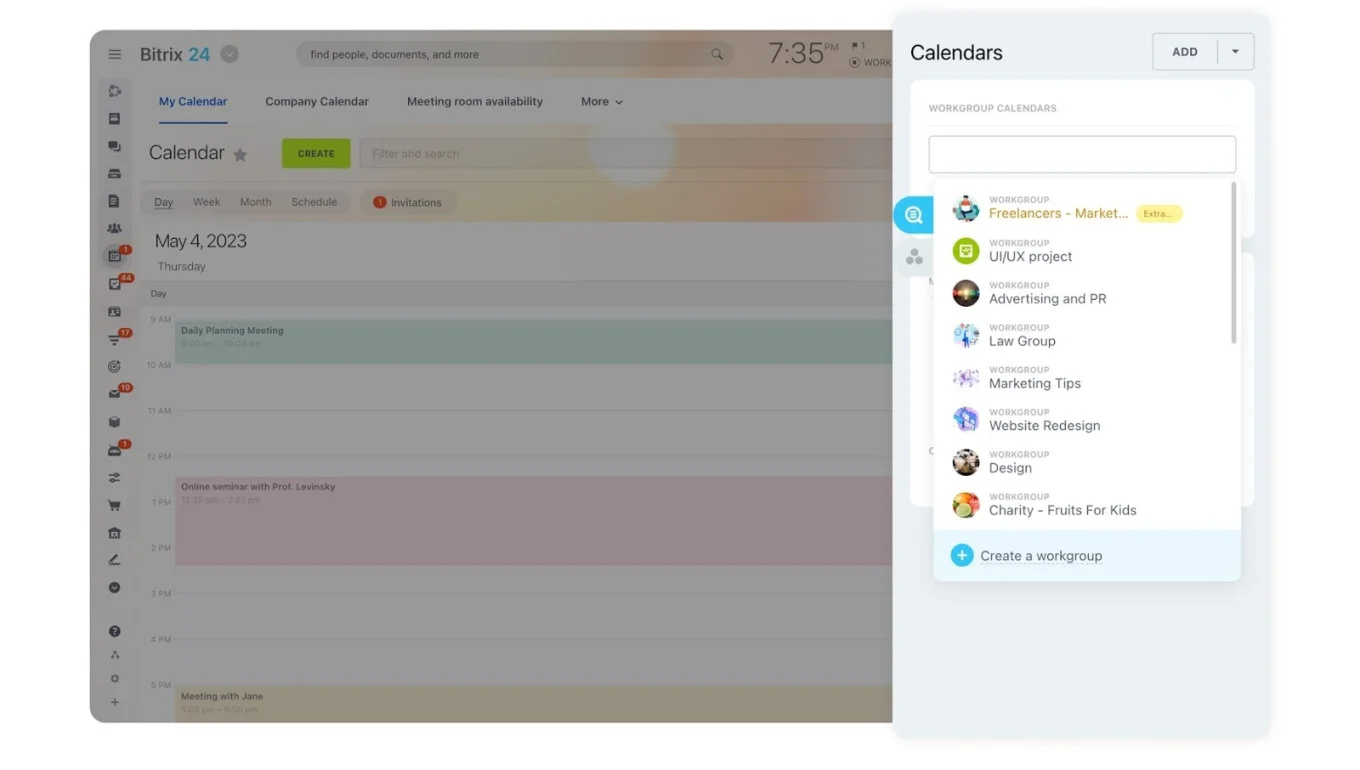
Week 1: Define hypotheses and experiments
Write one clear hypothesis per track. Design one experiment per hypothesis. Small and finishable in 1–2 weeks. Decide how you'll score each track weekly.
Map hypotheses in whiteboards. Store experiment plans in online documents.
Week 2: Run experiments and ship outputs
Execute each experiment and produce real outputs. Don't expand scope. Document what happened and capture early reactions.
Track execution and deadlines in task management. Log outputs and learnings in your documents.
Week 3: Add feedback loops and mentor signal
Schedule 3–5 conversations with mentors or domain experts. Ask consistent questions and capture insights immediately.
Schedule calls via shared calendars. Run calls via mobile app. Use CoPilot to summarize insights and surface next actions.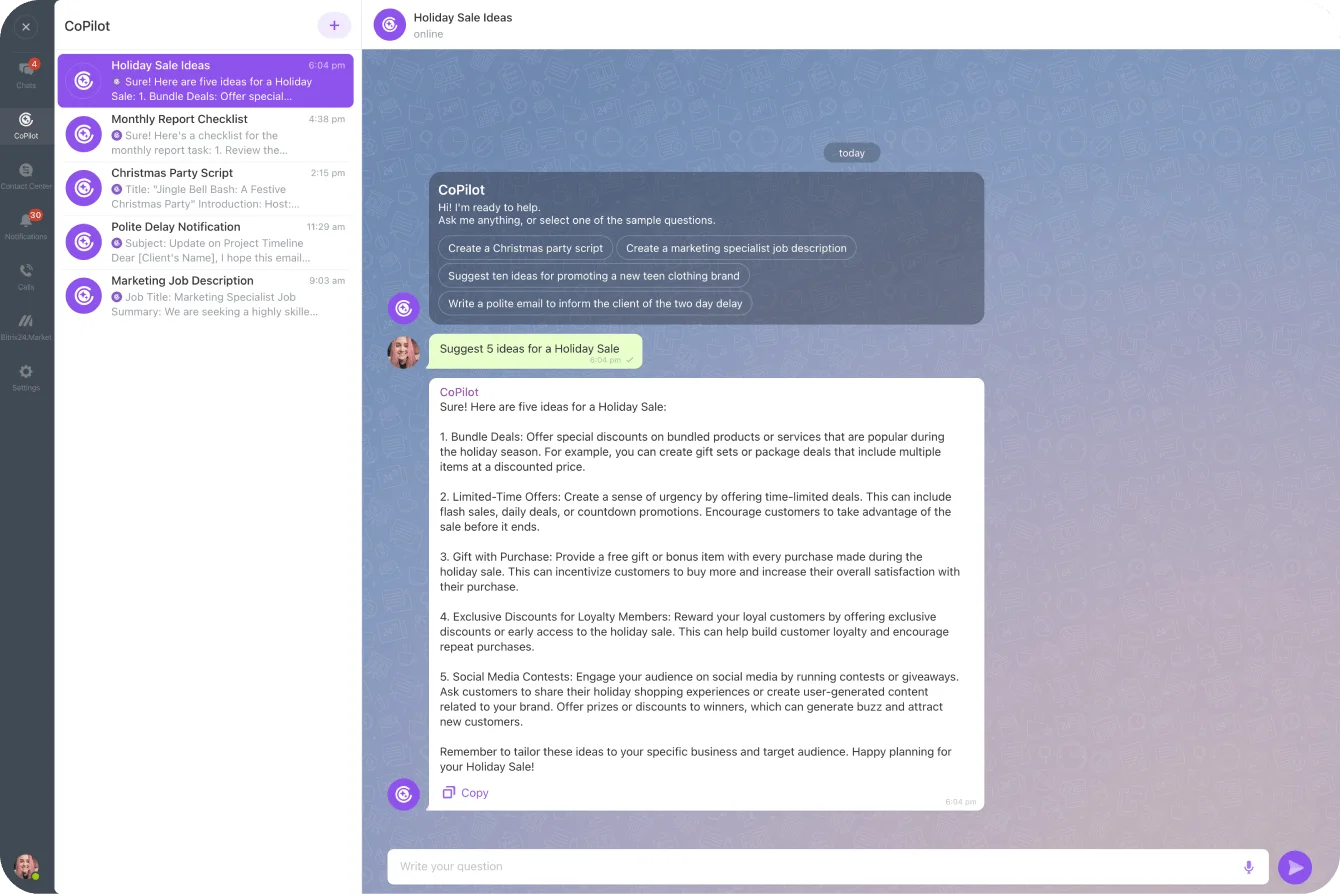
Week 4: Decide, commit, and plan
Review scorecards, outputs, and mentor feedback. Assign each track: kill, continue, or invest. Choose one initiative to fund and plan a focused 6-week follow-on sprint.
Run Kill/Continue/Invest visually in whiteboards. Use CoPilot to generate a clean sprint summary.The week 6 follow-through
A four-week Purpose Sprint gives you signal. The real shift happens when you follow through on the winner.
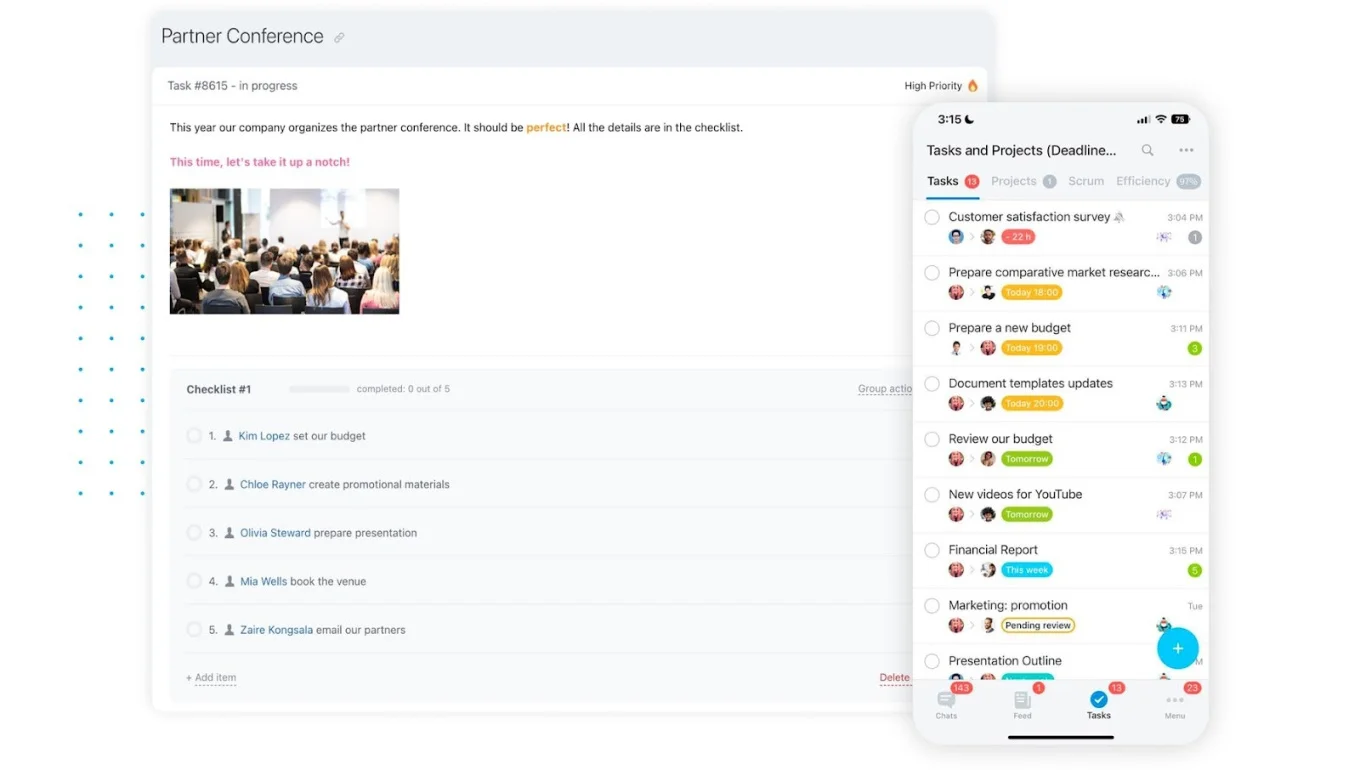
Turn your winning track into a 6-week single-initiative sprint with:
-
One clear outcome (what "success" looks like)
-
Weekly deliverables (real artifacts, not vague progress)
-
A defined budget and what it's for
-
A short weekly review
Example Sprint 2 outcomes:
-
Philanthropy: Launch one pilot with measurable outcomes and a 90-day scale plan
-
Angel investing: Finalize a thesis, build deal flow, complete 1–2 small investments
-
Maker project: Ship a usable version and run a distribution test
Keep the same HQ. Archive paused tracks. Schedule the six-week cadence and stay evidence-led.
When purpose sprints don't work
Purpose Sprints assume baseline energy and stability. They're not a substitute for rest or clinical support.
-
You're in acute burnout. If you're exhausted, prioritize recovery. Take 4–8 weeks of genuine rest before starting.
-
You're processing grief. Selling a company can trigger real grief: for the team, the identity, the mission. Give yourself space first.
-
You're experiencing clinical depression. Persistent flatness and loss of interest are symptoms worth discussing with a professional. A sprint won't fix a clinical issue.
-
You have major life decisions pending. Mid-divorce, relocating, or navigating a health crisis? Reduce complexity. Sprints work best when life is reasonably stable.
In these cases, try a "Week 0 only" approach: build the HQ, set the cadence, but delay active experiments until you're ready.
Regain Momentum with Bitrix24
Bitrix24 provides the collaborative workspace to smoothly run your Purpose Sprints. Keep your plan, experiments and decisions organized. Start for free.
Try Bitrix24 NowPurpose sprints FAQ
How much time does a Purpose Sprint require? Plan for 6–10 hours per week: 3 focused work blocks (60–90 min each) plus one 30–45 minute weekly review.
What if nothing scores well after four weeks? That's signal too. Low scores usually mean the experiments were too vague or the tracks don't fit. Redesign and run a second sprint with sharper hypotheses.
How much budget should I allocate? Most experiments cost $0–$5,000. Angel investing experiments may require $10K–$25K for small learning investments. Set a cap before you start.
What's the difference between this and executive coaching? Purpose Sprints address the systems gap (lack of structure and feedback). Coaching addresses mindset and accountability. Many founders benefit from both.
Can I run a Purpose Sprint before my exit closes? Yes, but keep experiments small. Many founders start in the 60-day window before close to avoid a cold-start identity gap.
What if I only have one track to test? That works if you're already confident in the direction and just need validation. Two or three tracks give you comparison data.
Conclusion
Post-exit drift isn't a personal failing. It's what happens when the operating system that structured your days disappears overnight.
Purpose Sprints give you a founder-grade way to rebuild. You treat identity like product discovery: test hypotheses, run small experiments, track signal, and commit to what proves itself.
In four weeks, you don't need a forever mission. You need cadence and one validated direction worth funding.
Start with Week 0. Build your Sprint HQ. Schedule the weekly review. Run the sprint.
And if you want to make that cadence easier to maintain, don’t run it across scattered notes, docs, and calendars. Bitrix24 keeps your sprint plan, experiments, and weekly decisions in one workspace—so your follow-through stays simple. Start for free today.